🧪 Muscle Strength Self-Assessment
🚨 Signs of Muscle Weakness
- Frequent fatigue and low energy
- Poor posture and joint instability
- Difficulty carrying out physical tasks
- Muscle cramps or soreness
- Slow recovery after activity
Common Muscle and Fitness Problems and Cure
1. Muscle Strain (Pulled Muscle)
Description: Stretching or tearing of muscle fibers, typically caused by overuse or improper movement.
Cause:
1: Lifting heavy weights with poor form
2: Sudden movements or overexertion
3: Inadequate warm-up or stretching
Signs: Sudden pain during activity, Muscle soreness or stiffness, Swelling or bruising.
.png)
Treatment & Product:
Rest, Ice, Compression, Elevation (RICE), Pain relievers (e.g., ibuprofen), Gentle stretching after a few days, Gradual return to exercise

Provides effective cold therapy for muscle strains.
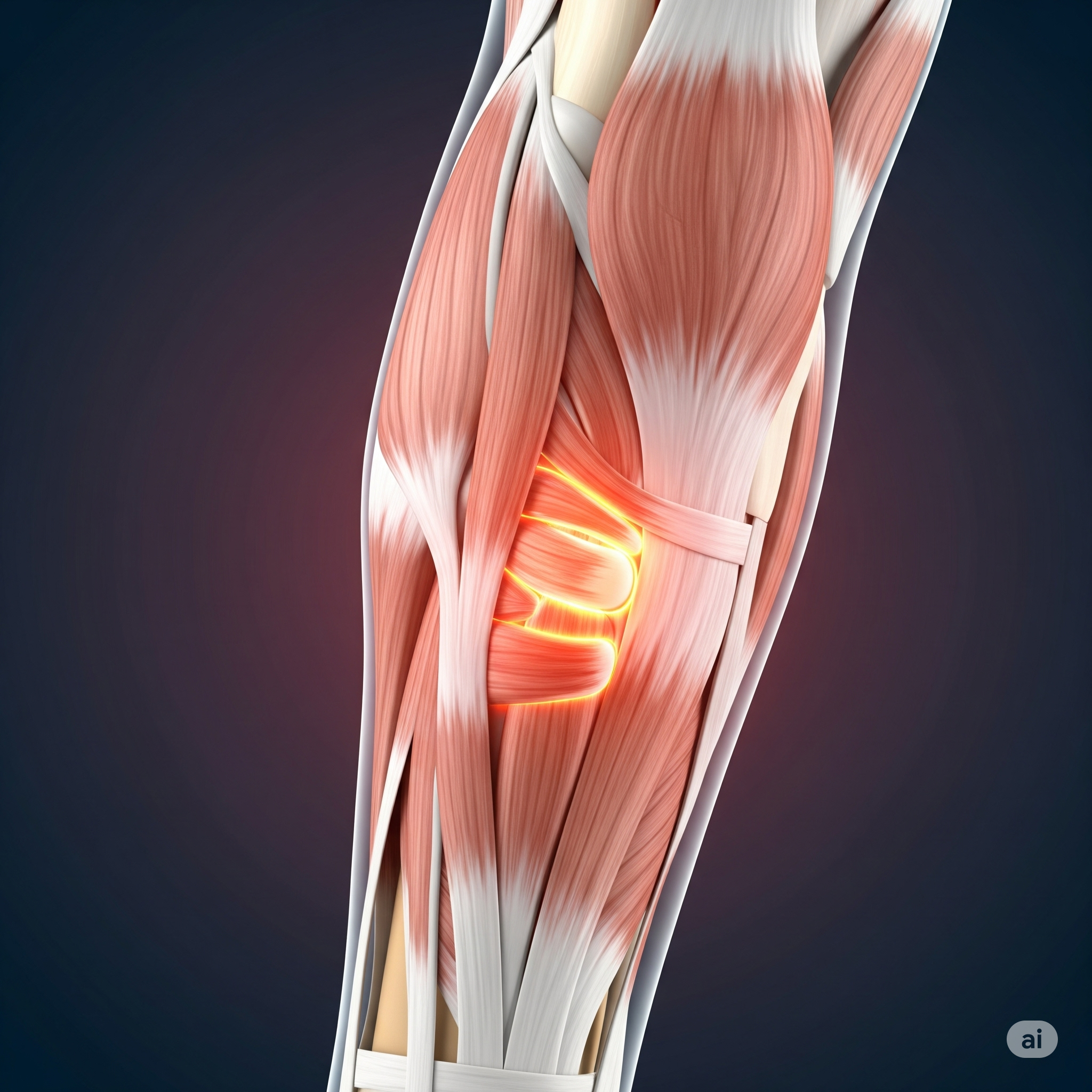
2. Muscle Cramps
Description: Involuntary and painful muscle contractions that occur suddenly, often during or after exercise.
Cause:
1: Dehydration
2: Electrolyte imbalance (low potassium, magnesium)
3: Overexertion or poor conditioning
Signs: Sudden tightness or knot in the muscle, Sharp pain and inability to move the affected muscle.
Treatment & Product:
Stretch and gently massage the muscle, Hydrate with water and electrolyte-rich drinks, Banana, coconut water, or magnesium-rich foods, Warm-up and cool-down before and after workouts

Helps replenish essential minerals to prevent cramps.
3. Delayed Onset Muscle Soreness (DOMS)
Description: Muscle pain and stiffness that develops 12–48 hours after intense or unfamiliar exercise.
Cause:
1: Eccentric (lengthening) muscle contractions
2: New or high-intensity workouts
Signs: Muscle tenderness, Reduced range of motion, Swelling or weakness in the affected area.
.png)
Treatment & Product:
Active recovery (light movement, walking), Foam rolling or massage, Warm baths or Epsom salt soak, Protein intake and anti-inflammatory foods

Aids in muscle recovery and alleviates soreness from DOMS.
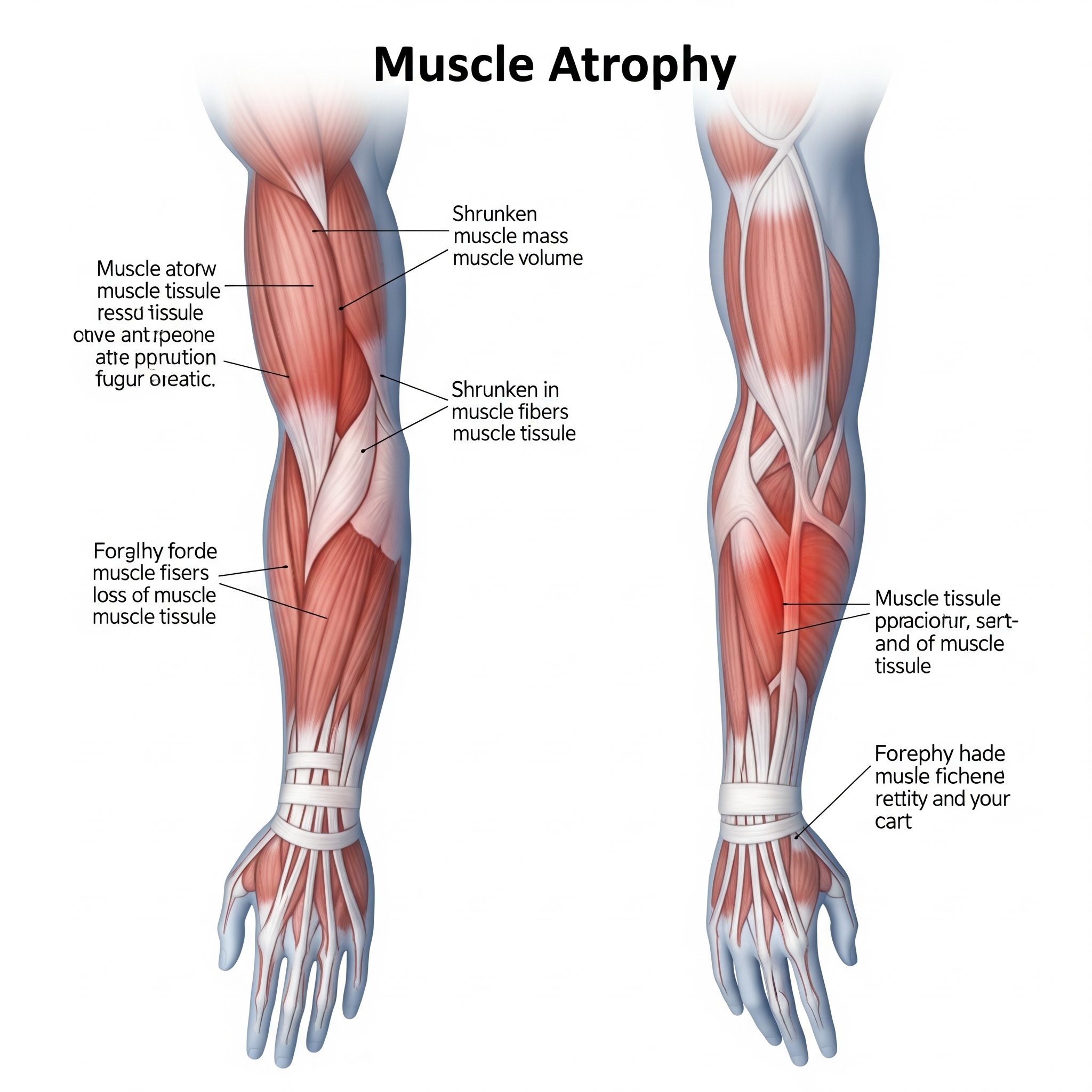
4. Muscle Atrophy
Description: Wasting or loss of muscle mass due to inactivity or underlying disease.
Cause:
1: Lack of physical activity
2: Aging or prolonged bed rest
3: Neurological conditions
Signs: Noticeable reduction in muscle size, Weakness or fatigue, Difficulty performing physical tasks.
Treatment & Product:
Strength training and resistance exercise, Adequate protein and calorie intake, Physiotherapy or rehabilitation programs, Treat underlying medical conditions

Great for strength training and muscle building.
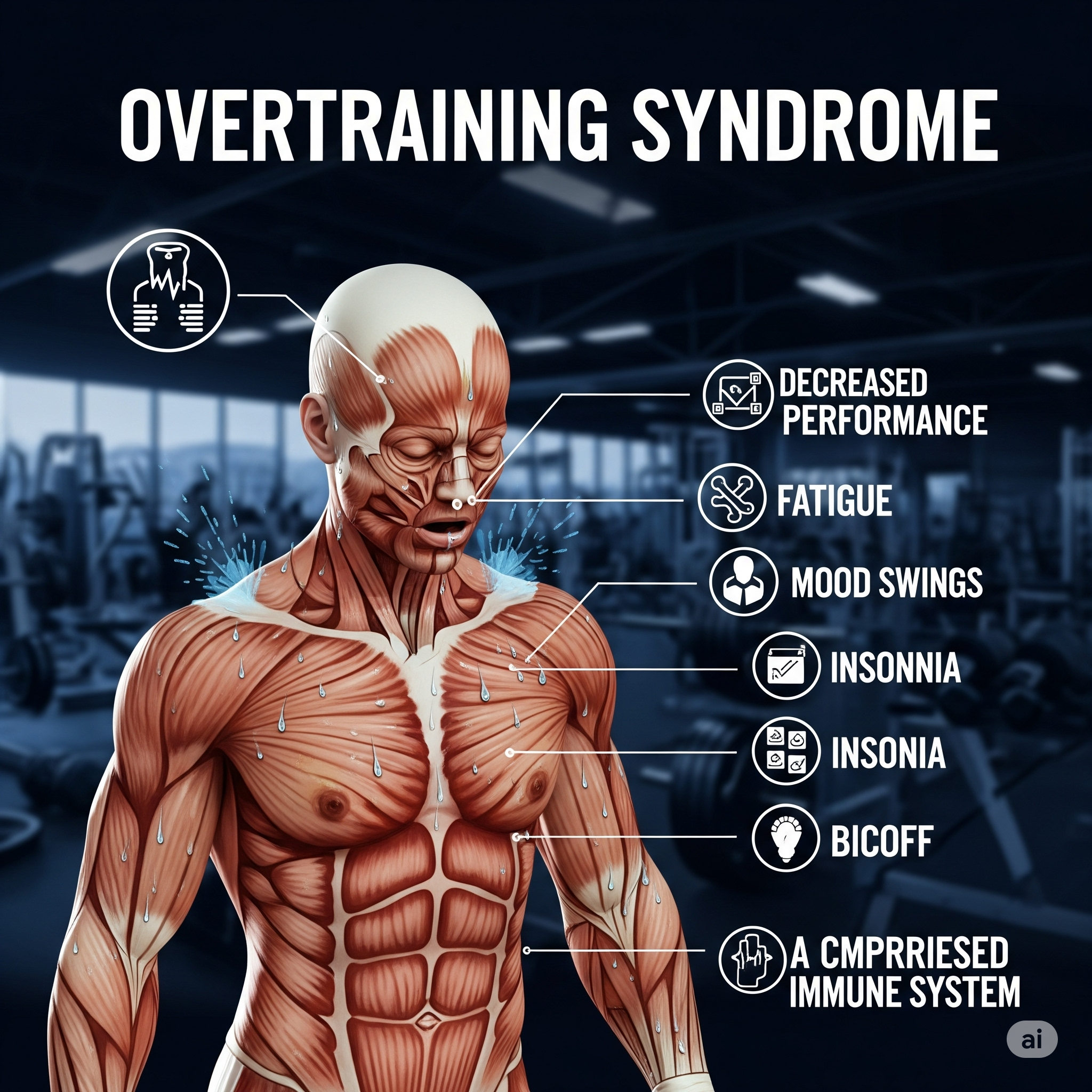
5. Overtraining Syndrome
Description: A condition caused by excessive training without adequate rest and recovery.
Cause:
1: Intense workouts with no rest days
2: Poor nutrition or sleep
3: Stress and lack of recovery
Signs: Persistent fatigue and poor performance, Insomnia or mood changes, Increased risk of injury.
Treatment & Product:
Schedule rest days and recovery weeks, Sleep 7–9 hours daily, Balanced diet with sufficient protein and carbs, Monitor training load and adjust intensity

Promotes better sleep and muscle relaxation.
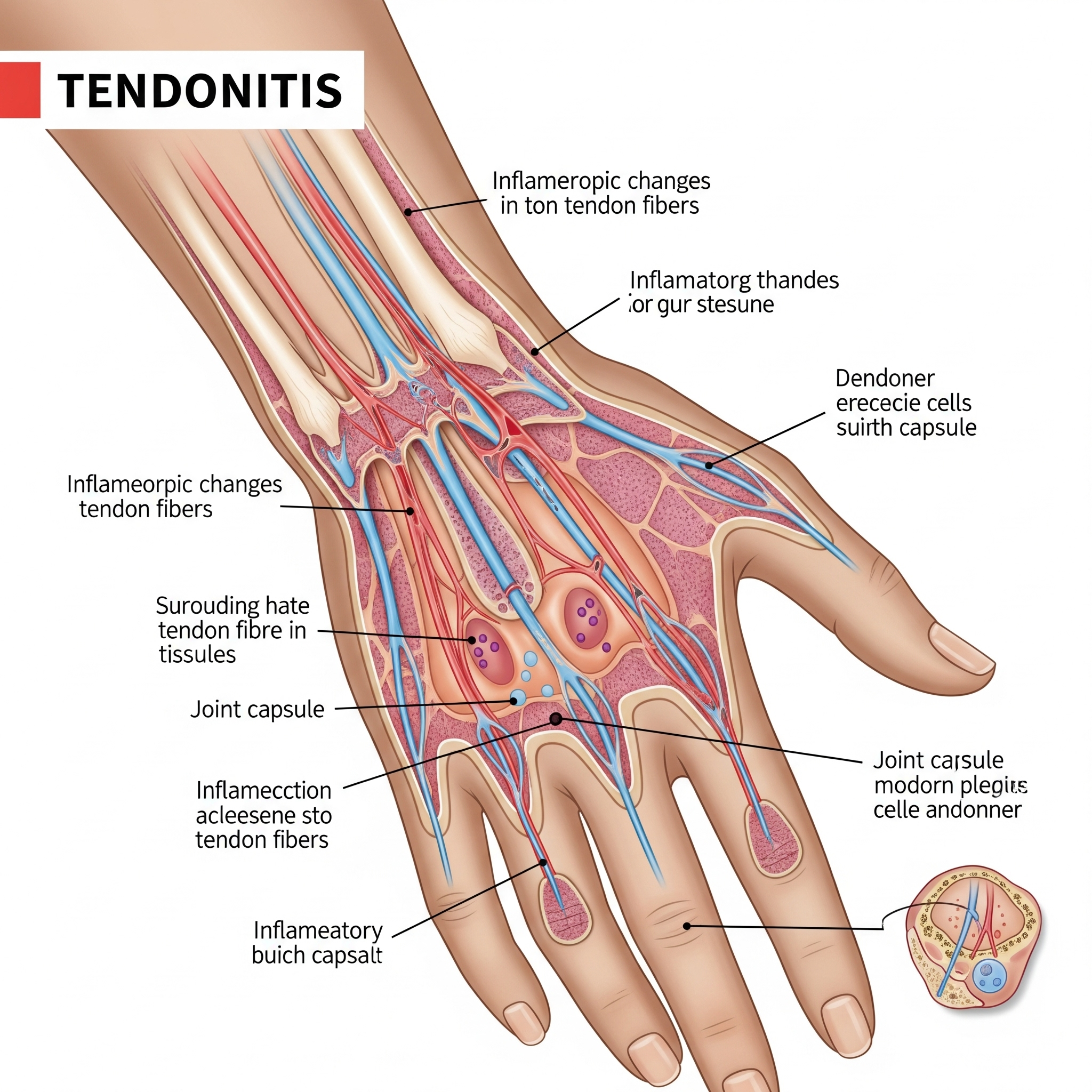
6. Tendonitis
Description: Inflammation of a tendon, usually due to repetitive motion or strain.
Cause:
1: Repetitive overuse (e.g., weightlifting, running)
2: Poor posture or improper technique
3: Aging (tendons become less flexible)
Signs: Pain or tenderness near joints, Swelling or stiffness, Pain worsens with movement.
Treatment & Product:
Rest and avoid aggravating activity, Ice the affected area, Anti-inflammatory meds, Stretching and gradual strengthening

Provides localized relief for tendonitis pain.
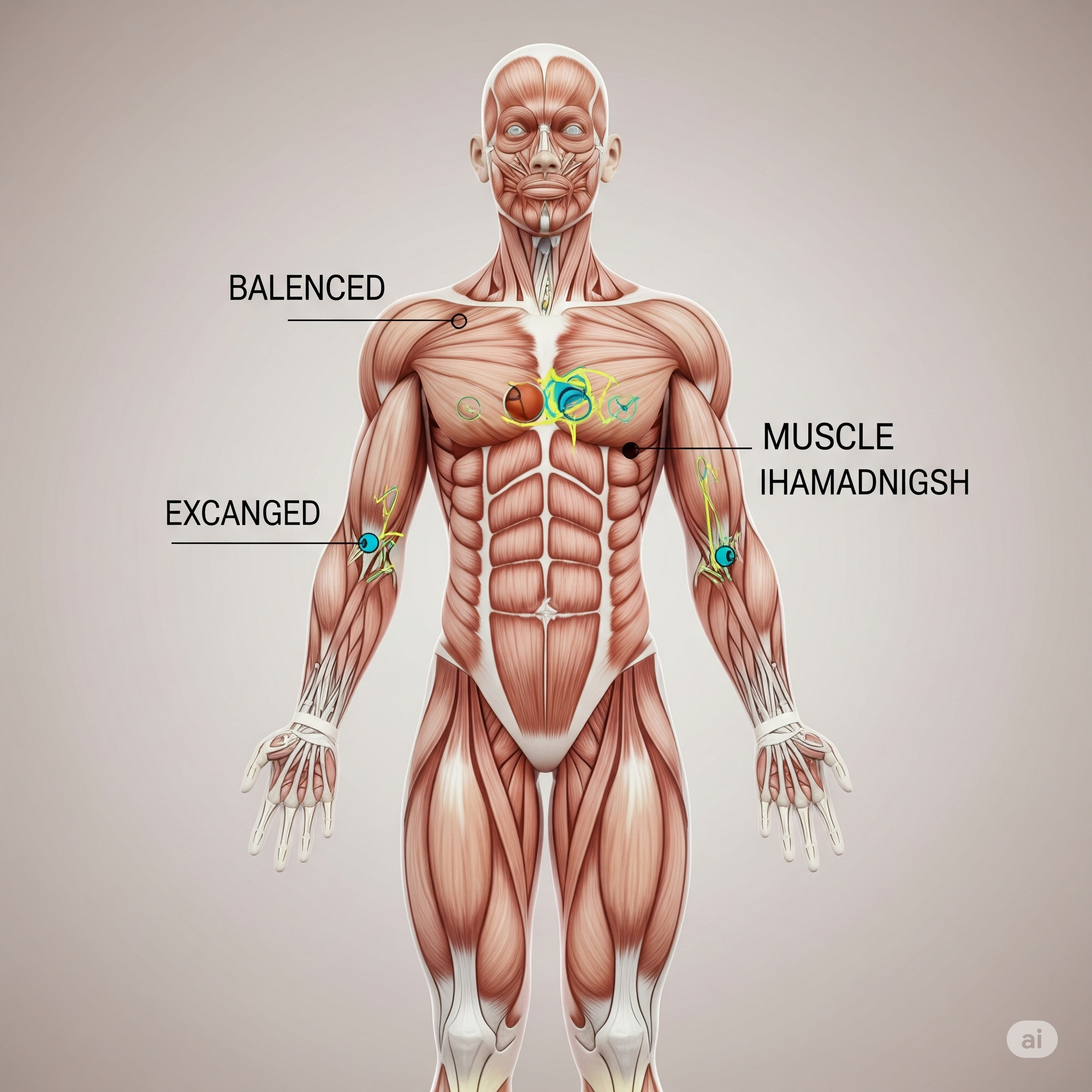
7. Muscle Imbalances
Description: Uneven development or strength in opposing muscle groups (e.g., quads vs hamstrings).
Cause:
1: One-sided workouts or poor form
2: Favoring one limb
3: Poor posture or technique
Signs: Uneven muscle size or tightness, Pain or joint discomfort, Increased risk of injury.
Treatment & Product:
Balanced workout programs, Unilateral exercises (e.g., single-leg squats), Postural correction and mobility work, Physiotherapy if needed

Helps create balanced routines to address imbalances.
8. Lack of Muscle Growth (Hypertrophy Plateau)
Description: A condition where muscle growth stagnates despite consistent training.
Cause:
1: Repetitive workout routines
2: Inadequate protein or calorie intake
3: Poor sleep or hormonal imbalance
Signs: No increase in strength or muscle size, Loss of motivation, Stagnant performance levels.
.png)
Treatment & Product:
Change training variables (volume, intensity, exercises), Ensure 1.6–2.2g protein/kg body weight, Prioritize sleep and manage stress, Consider supplements like creatine or BCAAs

Supports muscle repair and growth to overcome plateaus.
💡 Muscle Building Tips
- Train each muscle group at least twice a week
- Increase weights gradually for strength gains
- Prioritize sleep and recovery time
- Stay hydrated and stretch regularly
- Track progress and maintain consistency
🏋️ Best Exercises for Muscle Growth
- Compound lifts: Squats, Deadlifts, Bench Press
- Bodyweight exercises: Pushups, Pullups, Planks
- Resistance bands & dumbbell workouts
- Isometric holds to build endurance
- Cardio + strength combo (e.g., HIIT)


