🧪 Self Assessment Form
📋 Common Signs & Risk Factors
- Persistent sadness or anxiety
- Difficulty concentrating or relaxing
- Changes in appetite or sleep
- Feeling hopeless or easily irritable
- Withdrawing from social interactions
Common Mental and Emotional Problems and Cure
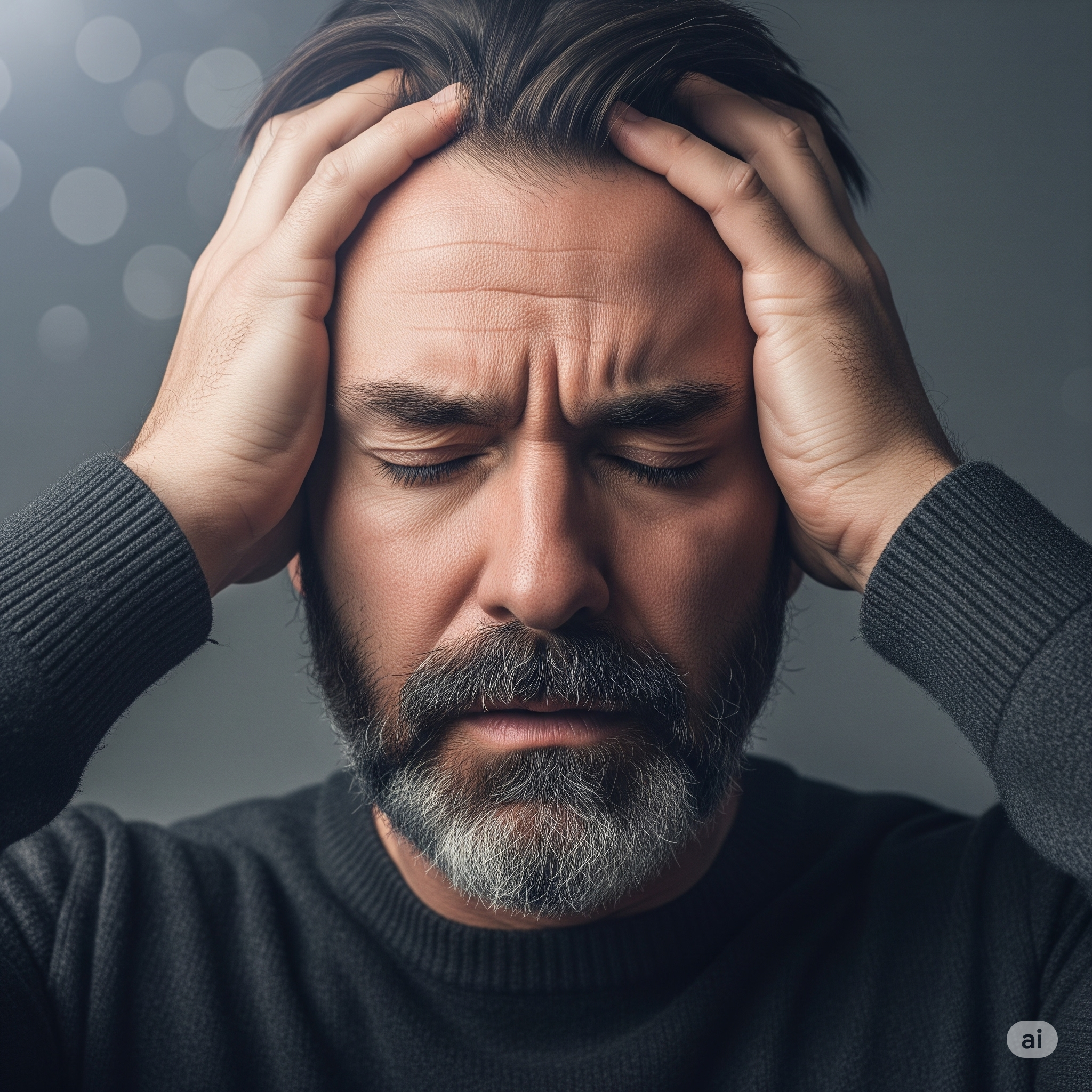
1. Stress
Description: A mental and physical response to demands or threats, which can affect emotional balance and physical health if prolonged.
Cause:
1: Workload or academic pressure
2: Financial problems
3: Relationship conflicts
4: Health issues or uncertainty
Signs: Irritability, restlessness, Sleep disturbances, Headaches, fatigue, Difficulty concentrating.
Treatment & Product:
Stress management techniques (deep breathing, journaling), Time management and setting boundaries, Physical activity or yoga, Herbal aids (ashwagandha, chamomile) and professional counseling
A simple tool for immediate tension release.
2. Anxiety
Description: A state of excessive worry or fear that affects daily functioning, beyond normal nervousness.
Cause:
1: Traumatic events
2: Genetic predisposition
3: Chronic stress
4: Imbalance in brain chemicals (like serotonin)
Signs: Racing thoughts, excessive worry, Rapid heartbeat or chest tightness, Sweating, shaking, or dizziness, Avoidance of social situations.

Treatment & Product:
Cognitive Behavioral Therapy (CBT), Mindfulness meditation and breathing exercises, Anti-anxiety medications (under supervision), Herbal support (valerian root, L-theanine)

Provides calming pressure to reduce anxiety.
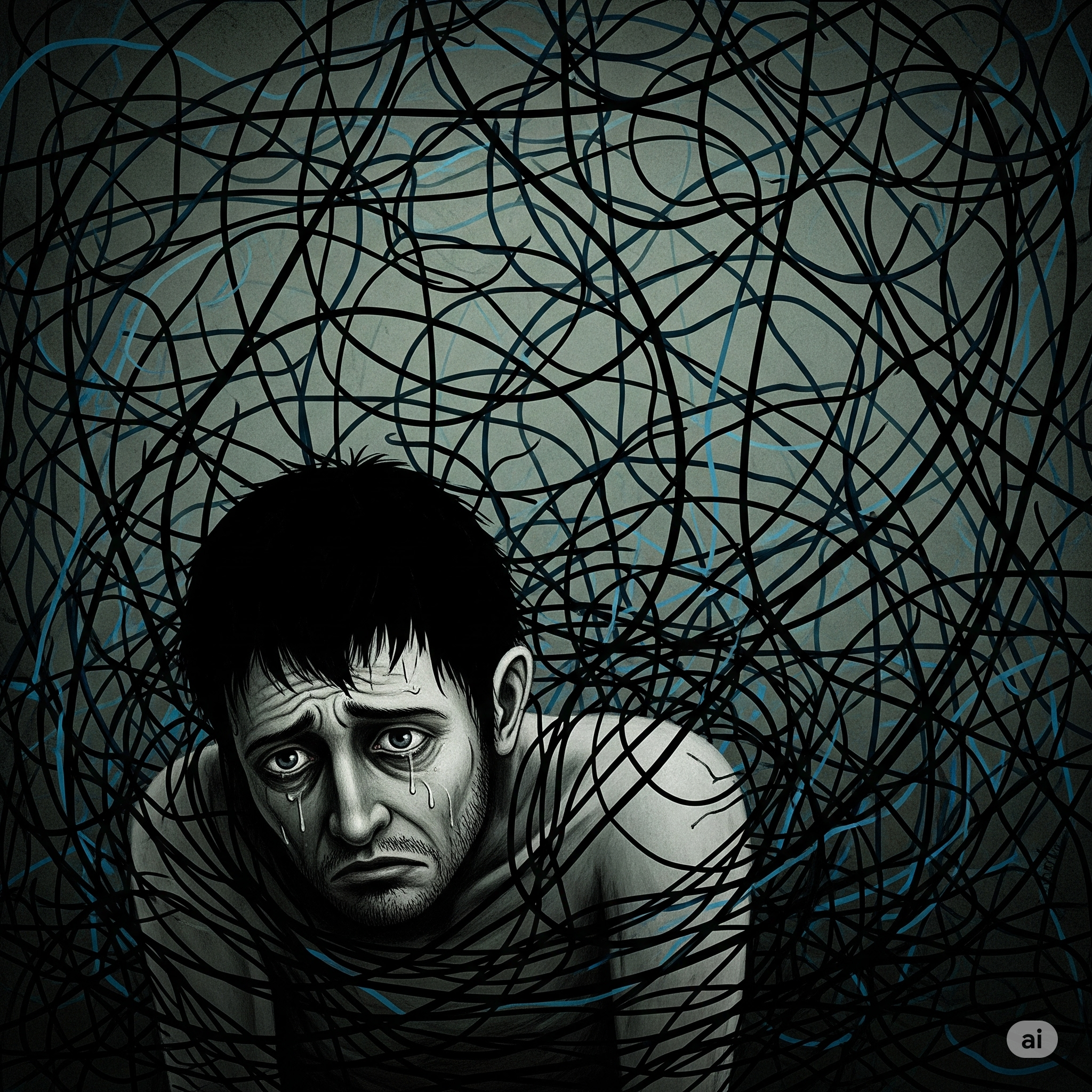
3. Depression
Description: A persistent feeling of sadness, hopelessness, and loss of interest, affecting thoughts and behavior.
Cause:
1: Imbalance of brain neurotransmitters (e.g., serotonin, dopamine)
2: Chronic stress or grief
3: Lack of social support or isolation
4: Genetic vulnerability
Signs: Prolonged sadness or emptiness, Sleep/appetite changes, Loss of interest in usual activities, Feelings of guilt, worthlessness, or suicidal thoughts.
Treatment & Product:
Professional therapy (CBT, interpersonal therapy), Antidepressants (SSRIs, SNRIs), Regular exercise and exposure to sunlight, Support groups and family interaction

Can help with seasonal depression and mood regulation.
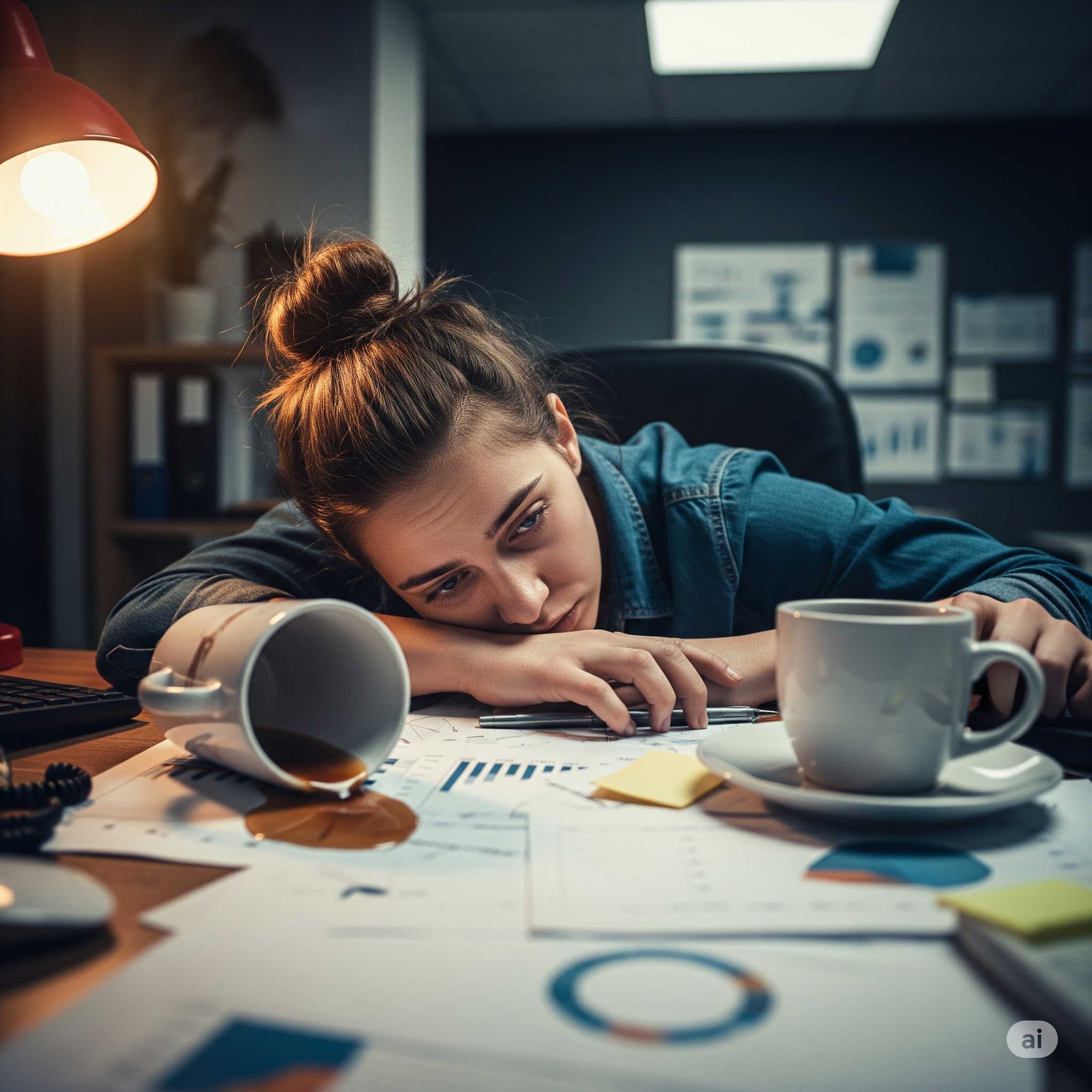
4. Burnout
Description: Emotional and physical exhaustion due to prolonged stress or overwork, especially in professional or caregiving roles.
Cause:
1: Excessive workload and long hours
2: Lack of control or recognition
3: Poor work-life balance
Signs: Chronic fatigue, demotivation, Cynicism or detachment, Poor concentration or irritability, Declining job performance.
Treatment & Product:
Take breaks and prioritize rest, Reassess goals and expectations, Delegate tasks and say no when needed, Seek support or counseling

Helps process thoughts and feelings to combat burnout.
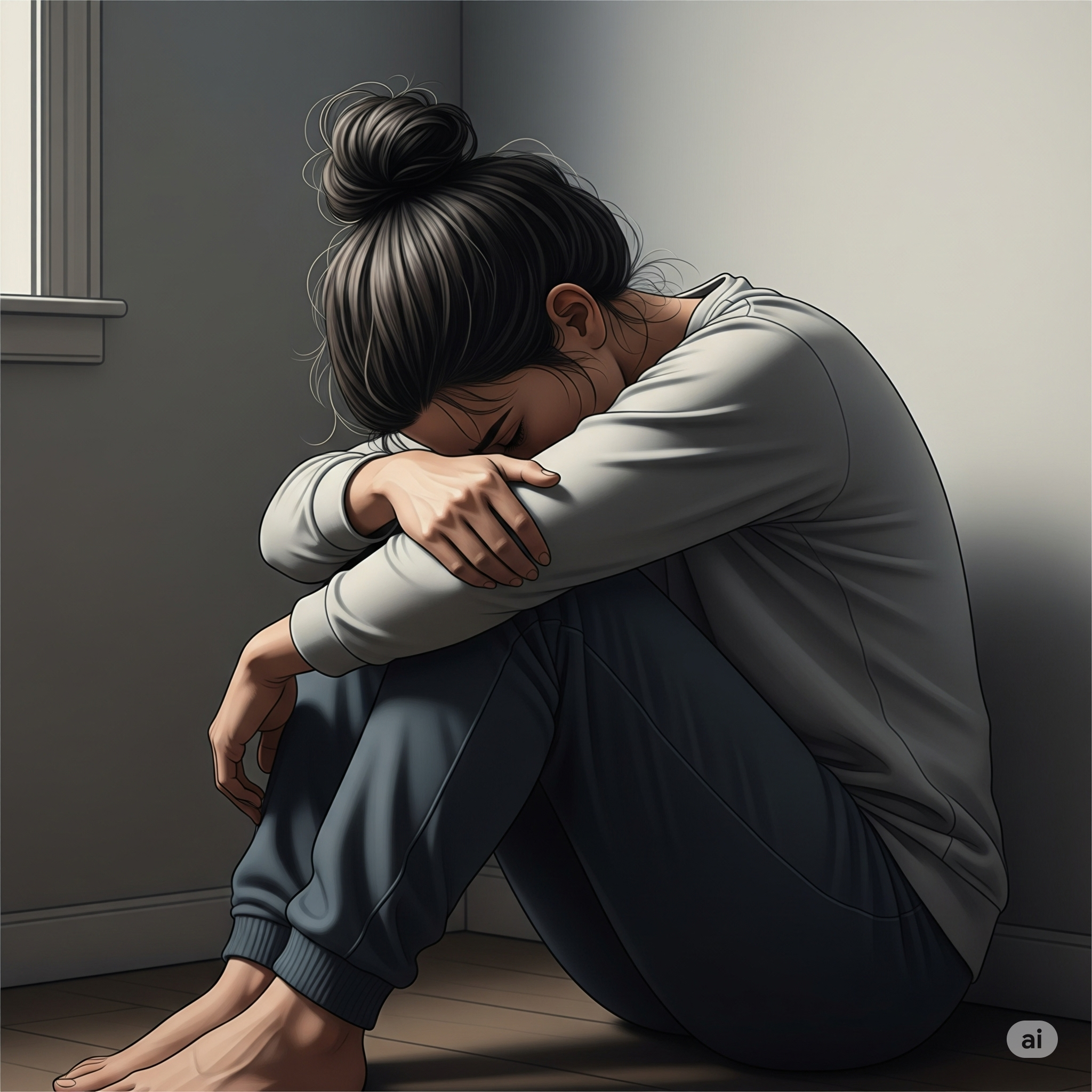
5. Low Self-Esteem
Description: A negative perception of oneself that can affect confidence, social interaction, and decision-making.
Cause:
1: Childhood criticism or bullying
2: Negative self-talk
3: Perfectionism or unrealistic expectations
Signs: Constant self-doubt or comparison, Fear of failure or rejection, Social withdrawal.
Treatment & Product:
Positive affirmations and self-compassion, Challenge negative thoughts with facts, Surround yourself with supportive people, Therapy and personal development programs

Encourages self-compassion and positive self-talk.
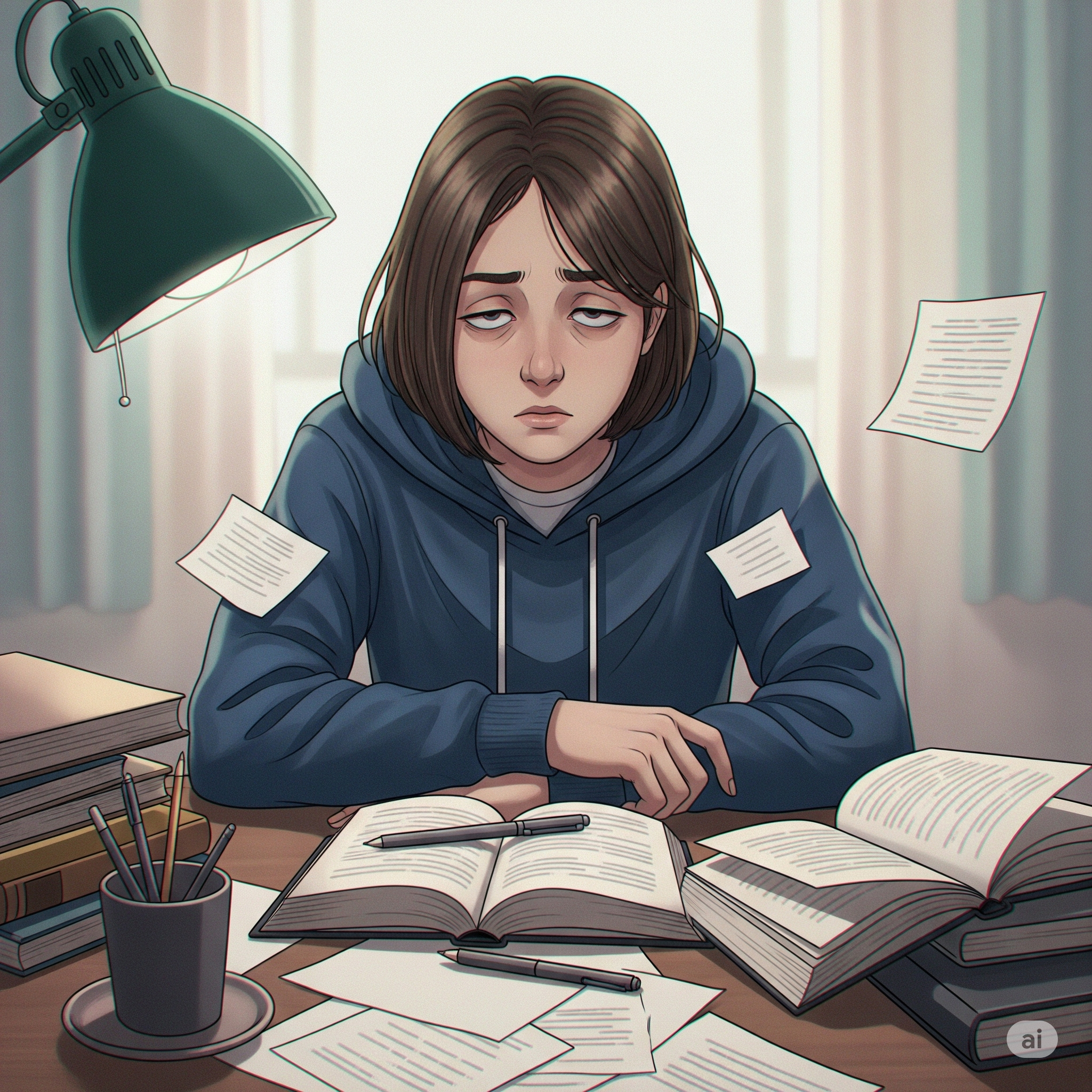
6. Lack of Focus & Brain Fog
Description: A state of mental fatigue where you feel confused, forgetful, and unable to concentrate clearly.
Cause:
1: Poor sleep or diet
2: Overstimulation (screens, social media)
3: Stress, hormonal changes, or medication
Signs: Short attention span, Memory lapses, Difficulty completing tasks.
Treatment & Product:
Improve sleep hygiene, Reduce screen time and take mental breaks, Brain-boosting supplements (ginkgo, omega-3s), Practice meditation or focus exercises (e.g., Pomodoro)

Supports cognitive function and mental clarity.
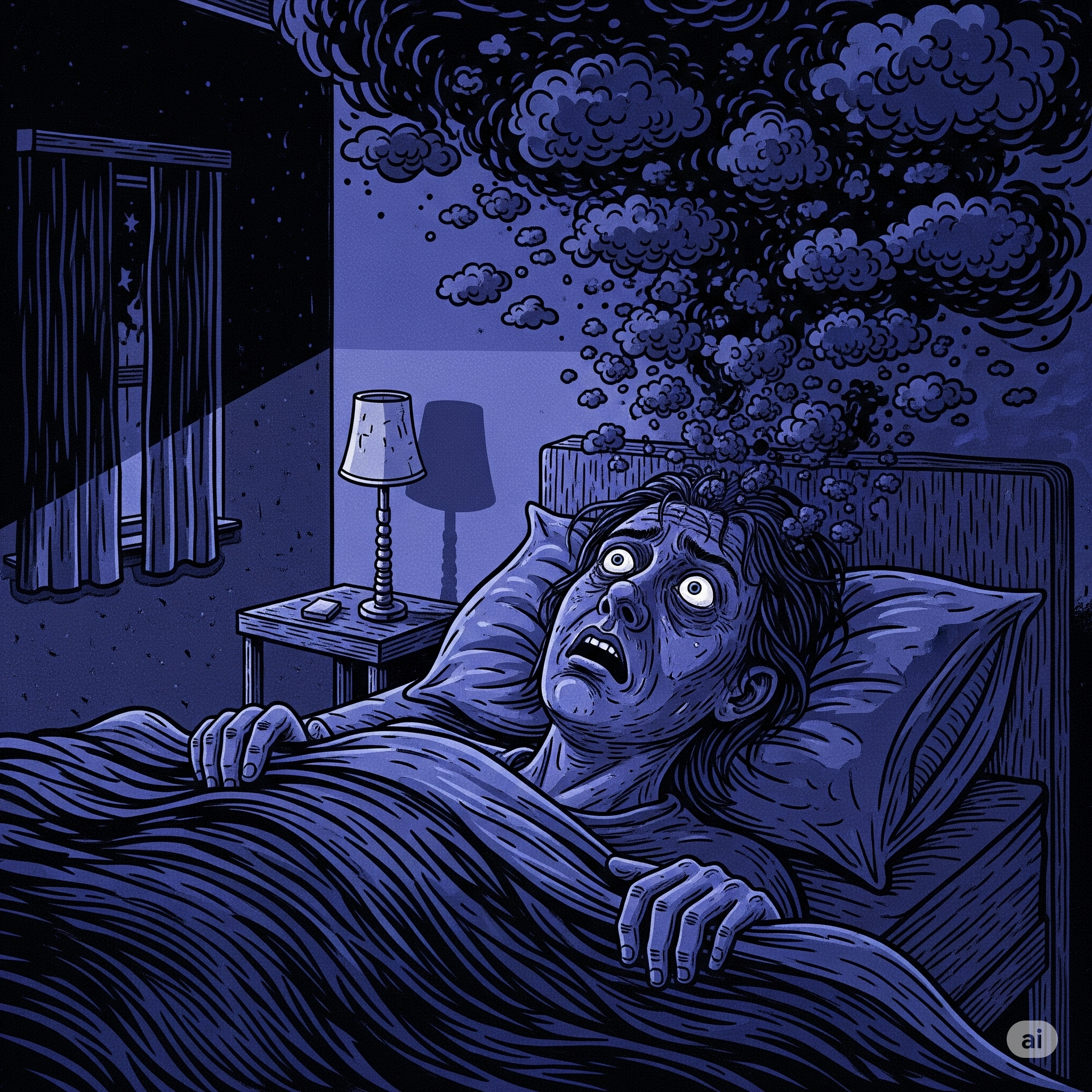
7. Insomnia
Description: Difficulty falling or staying asleep, which impacts energy, mood, and mental clarity.
Cause:
1: Anxiety or racing thoughts
2: Caffeine or poor sleep habits
3: Hormonal imbalances or chronic stress
Signs: Difficulty sleeping or waking up frequently, Feeling tired despite lying in bed for hours, Irritability or reduced focus during the day.
Treatment & Product:
Maintain a consistent sleep schedule, Limit screen use before bed, Sleep-promoting herbs (melatonin, valerian, magnesium), Therapy for sleep-related anxiety (CBT-I)

Blocks light for improved sleep quality.
8. Social Isolation & Loneliness
Description: A state where someone lacks meaningful social connections, leading to emotional pain and reduced mental resilience.
Cause:
1: Living alone or remote lifestyle
2: Shyness, social anxiety, or past trauma
3: Loss of loved ones or relocation
Signs: Feelings of emptiness or abandonment, Withdrawal from communication, Reduced motivation and happiness.

Treatment & Product:
Join clubs, groups, or online communities, Reconnect with old friends or family, Volunteer or do group-based activities, Seek therapy for social anxiety

Helps explore feelings and paths to social connection.
🧘 Tips to Improve Mental Wellness
- Practice mindfulness or deep breathing
- Limit news & social media time
- Maintain a gratitude journal
- Connect with loved ones regularly
- Exercise at least 30 mins daily
🥗 Diet & Lifestyle for Mental Health
- Eat omega-3 rich foods (fish, flaxseeds)
- Include magnesium and B-vitamins
- Avoid processed sugars and alcohol
- Drink herbal teas and stay hydrated
- Sleep 7–8 hours and follow routine


