🧪 Lung Health Self-Check
🚨 Common Risk Factors
- Smoking or secondhand smoke
- Air pollution and allergens
- Chronic bronchitis or asthma
- Inactivity and poor breathing habits
- Low immunity and repeated infections
Common Lung and Respiratory Problems and Cure
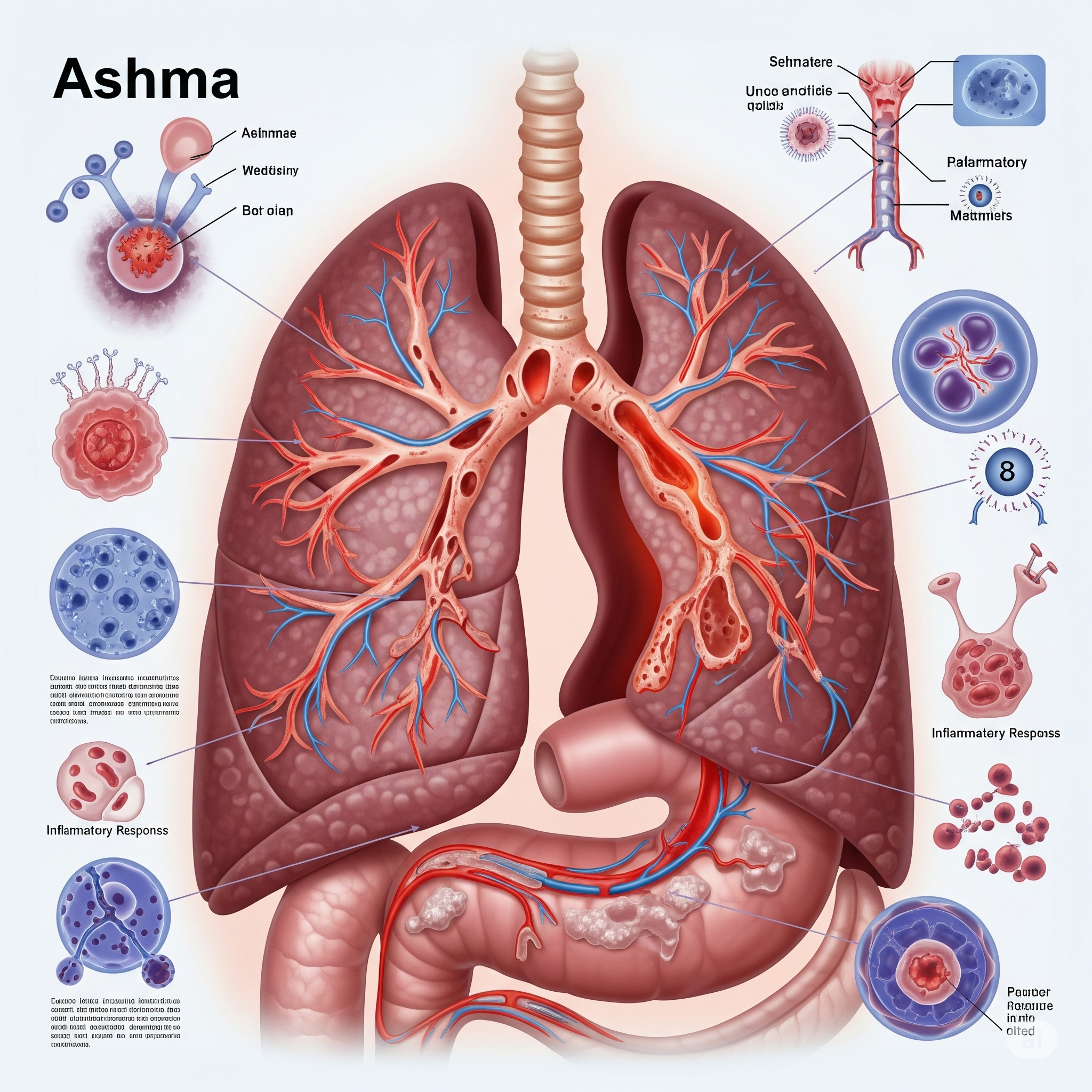
1. Asthma
Description: A chronic condition where airways become inflamed and narrowed, making it hard to breathe.
Cause:
1: Allergens (pollen, dust, pet dander)
2: Air pollution or smoke
3: Exercise or cold air
4: Respiratory infections
Signs: Wheezing or whistling sound while breathing, Shortness of breath, Chest tightness, Coughing, especially at night or early morning.
Treatment & Product:
Inhalers (bronchodilators and corticosteroids), Avoid triggers and allergens, Use air purifiers at home, Breathing exercises and regular follow-up

Provides quick relief and long-term control for asthma symptoms.
2. Chronic Obstructive Pulmonary Disease (COPD)
Description: A progressive lung disease that includes chronic bronchitis and emphysema, mainly caused by smoking.
Cause:
1: Long-term smoking (main cause)
2: Air pollution or occupational exposure
3: Genetic factors (e.g., Alpha-1 antitrypsin deficiency)
Signs: Chronic cough with mucus, Shortness of breath, especially on exertion, Frequent respiratory infections, Fatigue and chest tightness.
.png)
Treatment & Product:
Quit smoking immediately, Bronchodilators and inhaled steroids, Oxygen therapy in advanced stages, Pulmonary rehabilitation and exercise

Aids in smoking cessation for COPD management.
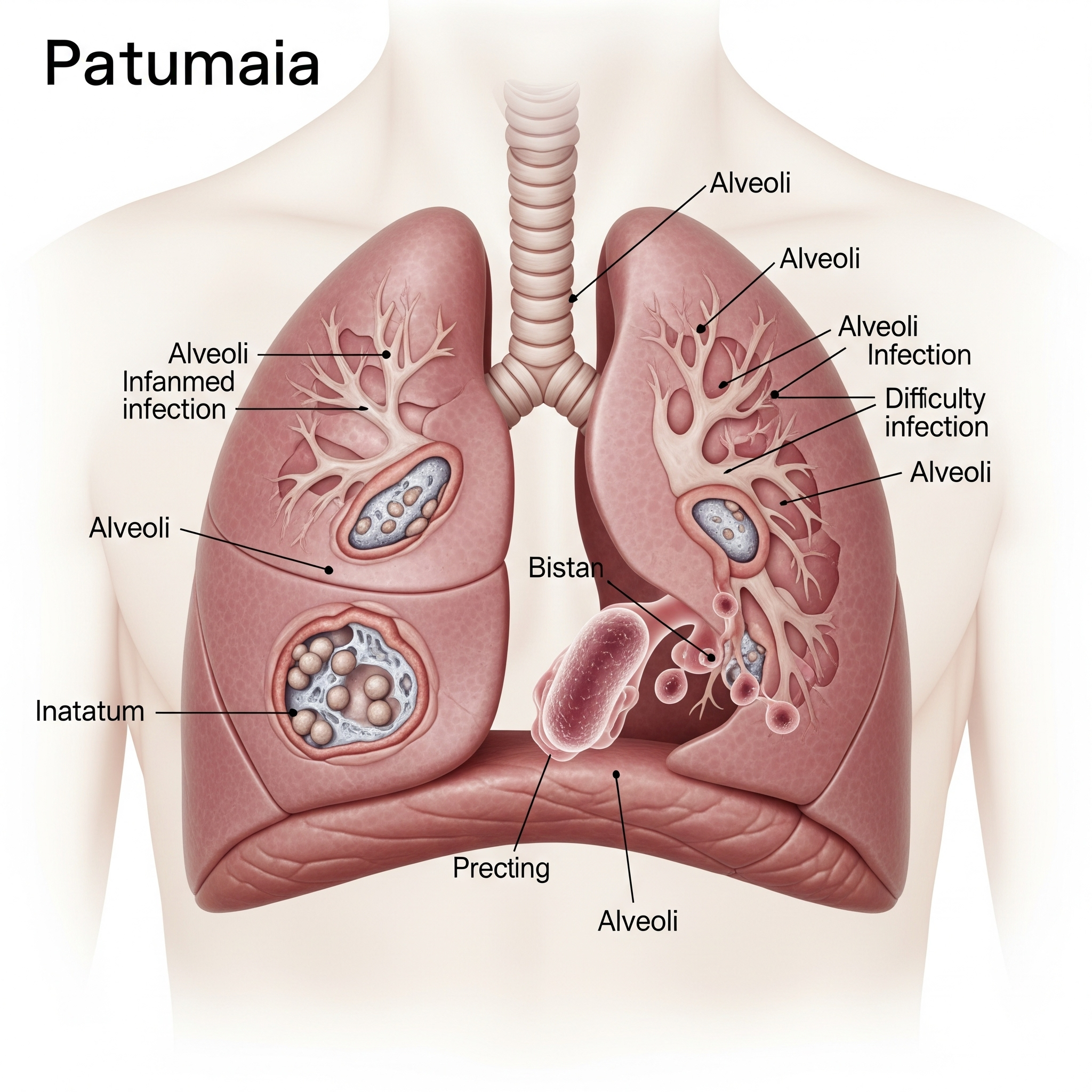
3. Pneumonia
Description: Infection that inflames the air sacs in one or both lungs, often filled with fluid.
Cause:
1: Bacterial (most common), viral, or fungal infections
2: Inhalation of food or chemicals (aspiration pneumonia)
3: Weakened immune system
Signs: Fever, chills, cough with phlegm, Chest pain when breathing or coughing, Shortness of breath, fatigue.
Treatment & Product:
Antibiotics for bacterial cases, Rest, fluids, and oxygen support, Hospitalization if severe or in older adults

Helps ease breathing and soothe irritated airways.
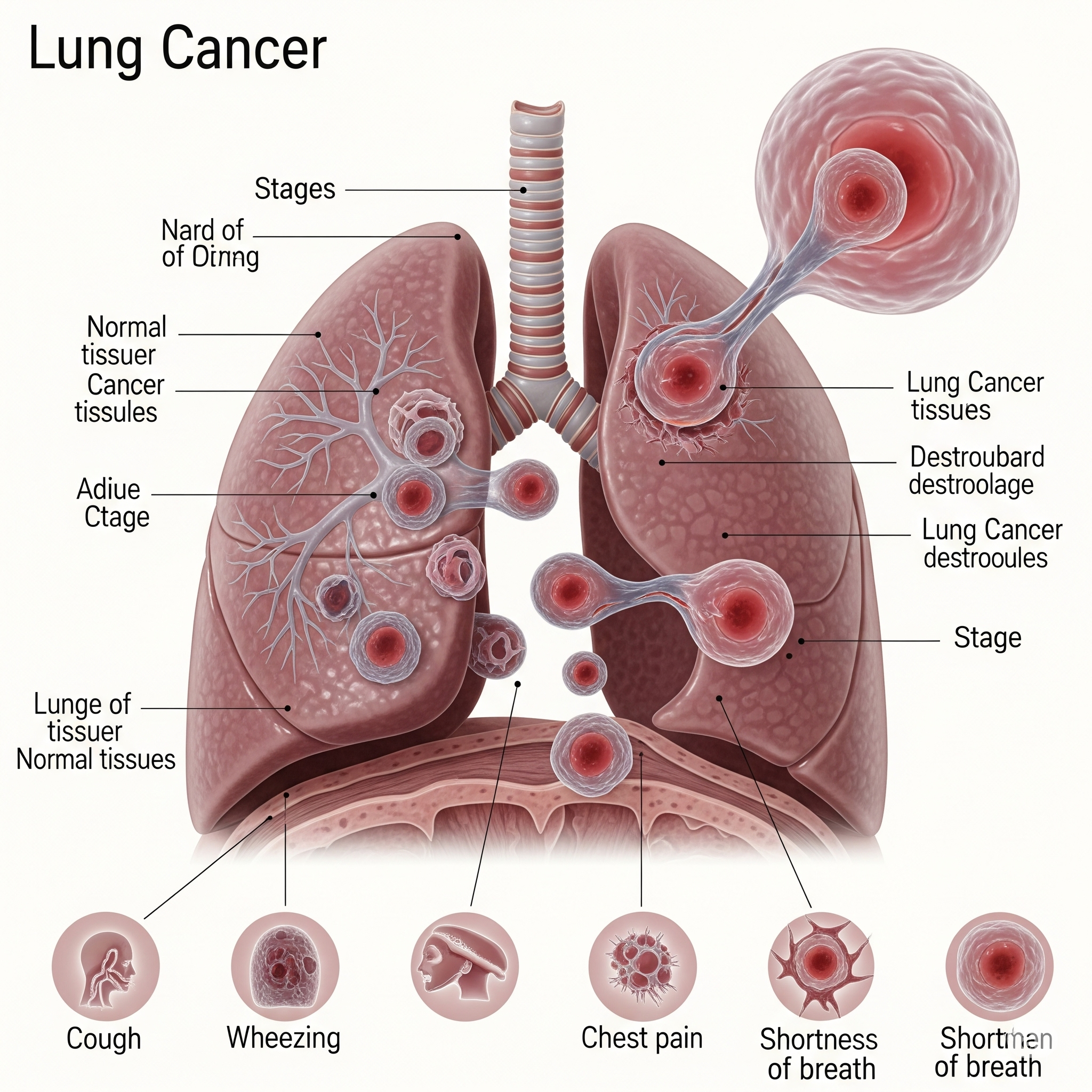
4. Lung Cancer
Description: Malignant growth of cells in the lung tissues, often due to smoking or environmental exposure.
Cause:
1: Cigarette smoking (leading cause)
2: Air pollution, radon gas, asbestos
3: Genetic predisposition
Signs: Persistent cough or blood in sputum, Unexplained weight loss, Chest pain or shortness of breath, Recurrent respiratory infections.
Treatment & Product:
Depends on stage: surgery, radiation, chemotherapy, or targeted therapy, Quit smoking and regular screening (especially for smokers), Nutritional support and pulmonary care

Removes pollutants and allergens from indoor air.
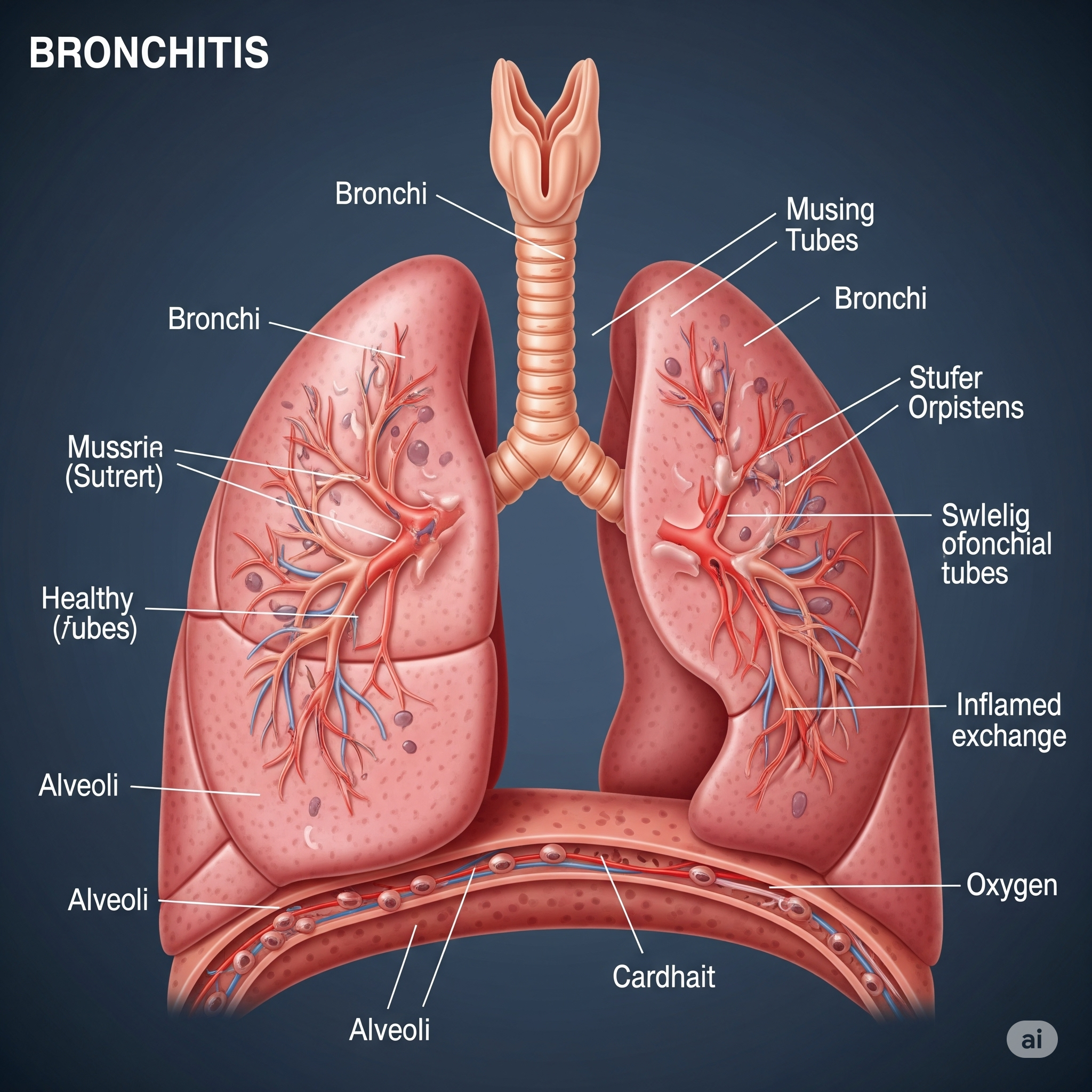
5. Bronchitis
Description: Inflammation of the bronchial tubes that carry air to the lungs.
Cause:
1: Viral infections (most common)
2: Bacterial infections
3: Long-term exposure to irritants (smoke, dust)
Signs: Persistent cough with mucus, Wheezing or chest discomfort, Mild fever and fatigue.
Treatment & Product:
Rest and hydration, Avoid irritants (smoking, polluted air), Inhalers for chronic cases, Antibiotics if bacterial

Helps relieve persistent coughing associated with bronchitis.
6. Tuberculosis (TB)
Description: A serious infectious disease caused by Mycobacterium tuberculosis that mainly affects the lungs.
Cause:
1: Airborne transmission from person to person
2: Weakened immune system (HIV, malnutrition)
Signs: Persistent cough for 3+ weeks, Coughing blood, chest pain, Fever, night sweats, weight loss.
.png)
Treatment & Product:
Long-term antibiotics (6–9 months), Isolation during infectious stage, BCG vaccine for prevention, Proper nutrition and hygiene

Reduces airborne transmission in high-risk situations (for those exposed).
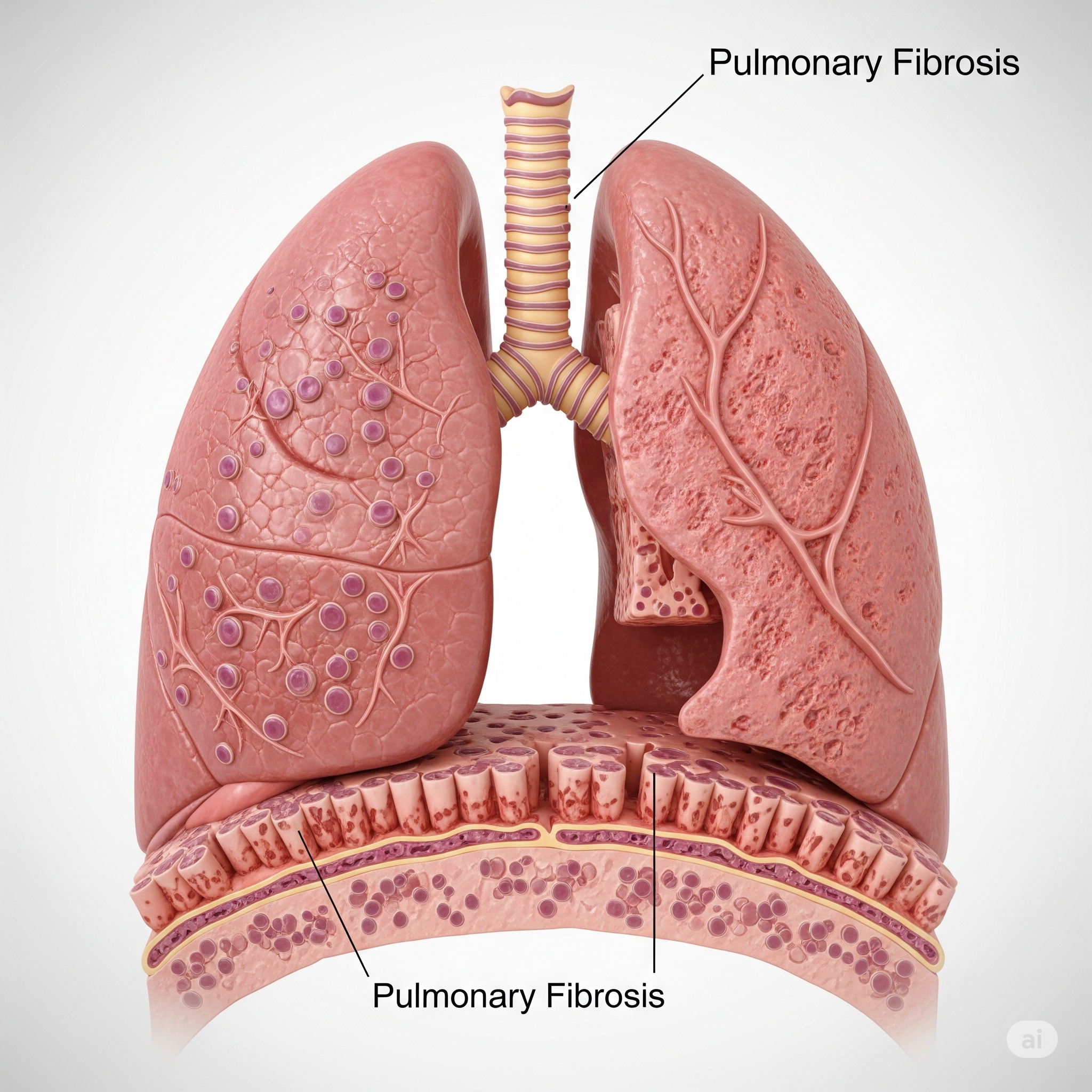
7. Pulmonary Fibrosis
Description: A condition where lung tissue becomes scarred, making it hard to breathe.
Cause:
1: Long-term exposure to toxins (asbestos, silica)
2: Autoimmune diseases (RA, scleroderma)
3: Certain medications or radiation therapy
Signs: Dry cough and shortness of breath, Fatigue and weight loss, Clubbing of fingers in chronic cases.
Treatment & Product:
No cure; treatment slows progression, Anti-fibrotic medications, Oxygen therapy and pulmonary rehab, Lung transplant in severe cases

Provides supplemental oxygen for improved breathing.
8. Pulmonary Embolism (PE)
Description: A blockage in a lung artery caused by a blood clot that travels from the legs or other parts of the body.
Cause:
1: Deep vein thrombosis (DVT)
2: Prolonged immobility (e.g., long flights)
3: Surgery, cancer, pregnancy
Signs: Sudden shortness of breath, Sharp chest pain, Rapid heart rate or coughing up blood.
.png)
Treatment & Product:
Emergency medical care, Anticoagulant (blood thinning) medications, Thrombolytic therapy for large clots, Compression stockings to prevent DVT

Helps prevent DVT and reduce the risk of PE.
💨 Lung Care Tips
- Quit smoking and avoid polluted areas
- Use an air purifier at home if needed
- Stay hydrated to thin mucus in lungs
- Eat antioxidant-rich fruits and veggies
- Avoid synthetic fragrances and chemicals
🧘 Breathing Exercises for Lungs
- Diaphragmatic breathing: Breathe deeply from belly to expand lungs
- Pursed-lip breathing: Helps release trapped air in lungs
- Kapalbhati: A powerful yogic technique for cleansing lungs
- Walking & Cardio: Enhances lung capacity and oxygen intake


