Liver Health Check
Common Liver Problems and Cure
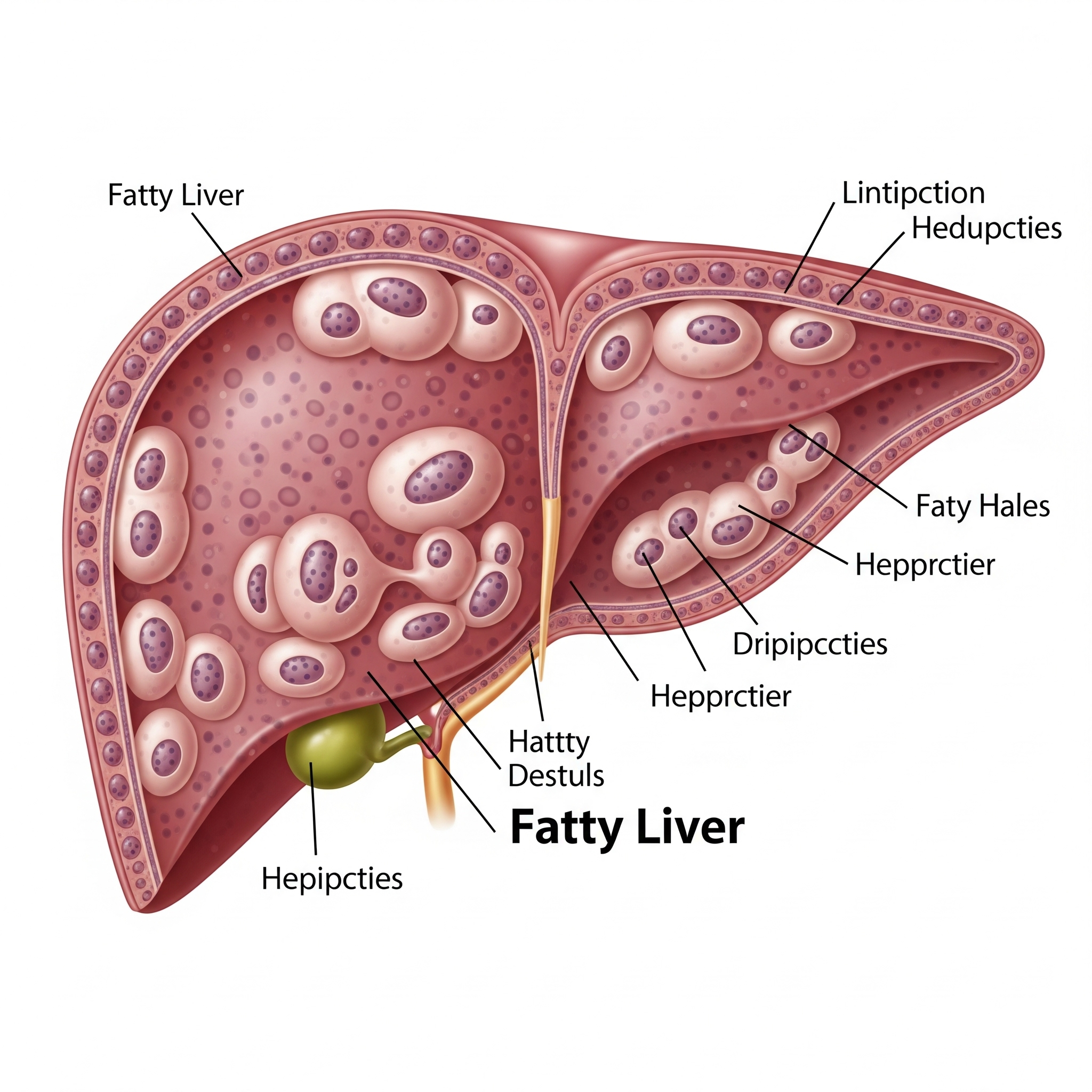
1. Fatty Liver (Hepatic Steatosis)
Description: Excess fat builds up in liver cells, affecting its ability to function.
Cause:
1: Obesity or overweight
2: High alcohol intake (alcoholic fatty liver)
3: Insulin resistance (type 2 diabetes, PCOS)
4: Poor diet (high sugar/fat intake)
Signs: Often no symptoms in early stages, Fatigue, mild pain in upper right abdomen, Elevated liver enzymes in blood tests.
Treatment & Product:
Weight loss and regular exercise, Low-carb, high-fiber diet, Reduce alcohol consumption, Use liver support supplements like milk thistle

Supports liver health and detoxification.
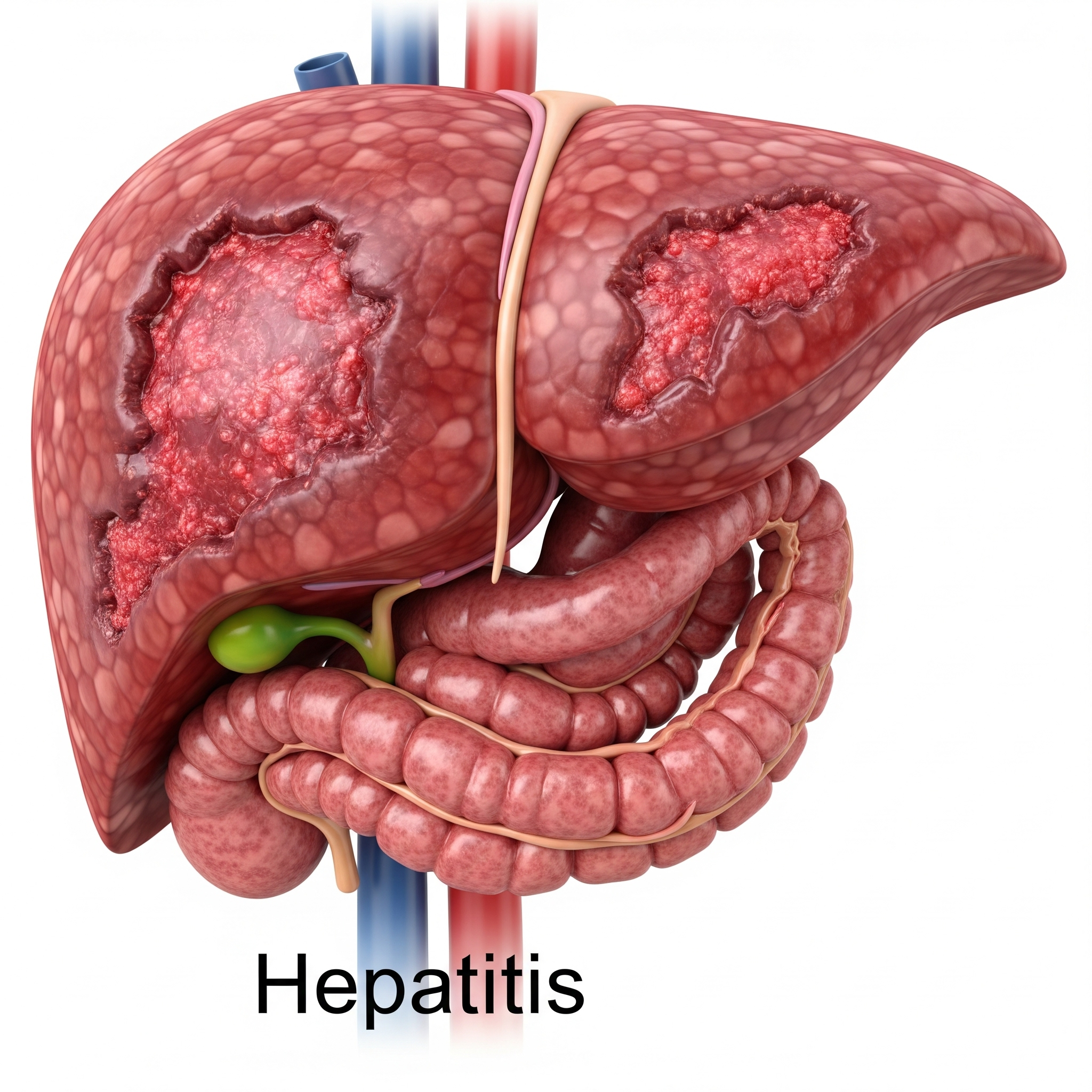
2. Hepatitis (A, B, C, D, E)
Description: Inflammation of the liver caused by viral infections.
Cause:
1: Contaminated food/water (Hep A & E)
2: Bloodborne or sexual transmission (Hep B, C, D)
3: Poor sanitation or hygiene
Signs: Jaundice (yellow skin/eyes), Fatigue, nausea, fever, Abdominal pain, dark urine.
Treatment & Product:
Hep A/E: Rest, hydration, self-resolving, Hep B/C: Antiviral medications, Get vaccinated (for Hep A & B), Practice safe hygiene and avoid shared needles

Promotes good hygiene to prevent viral spread.
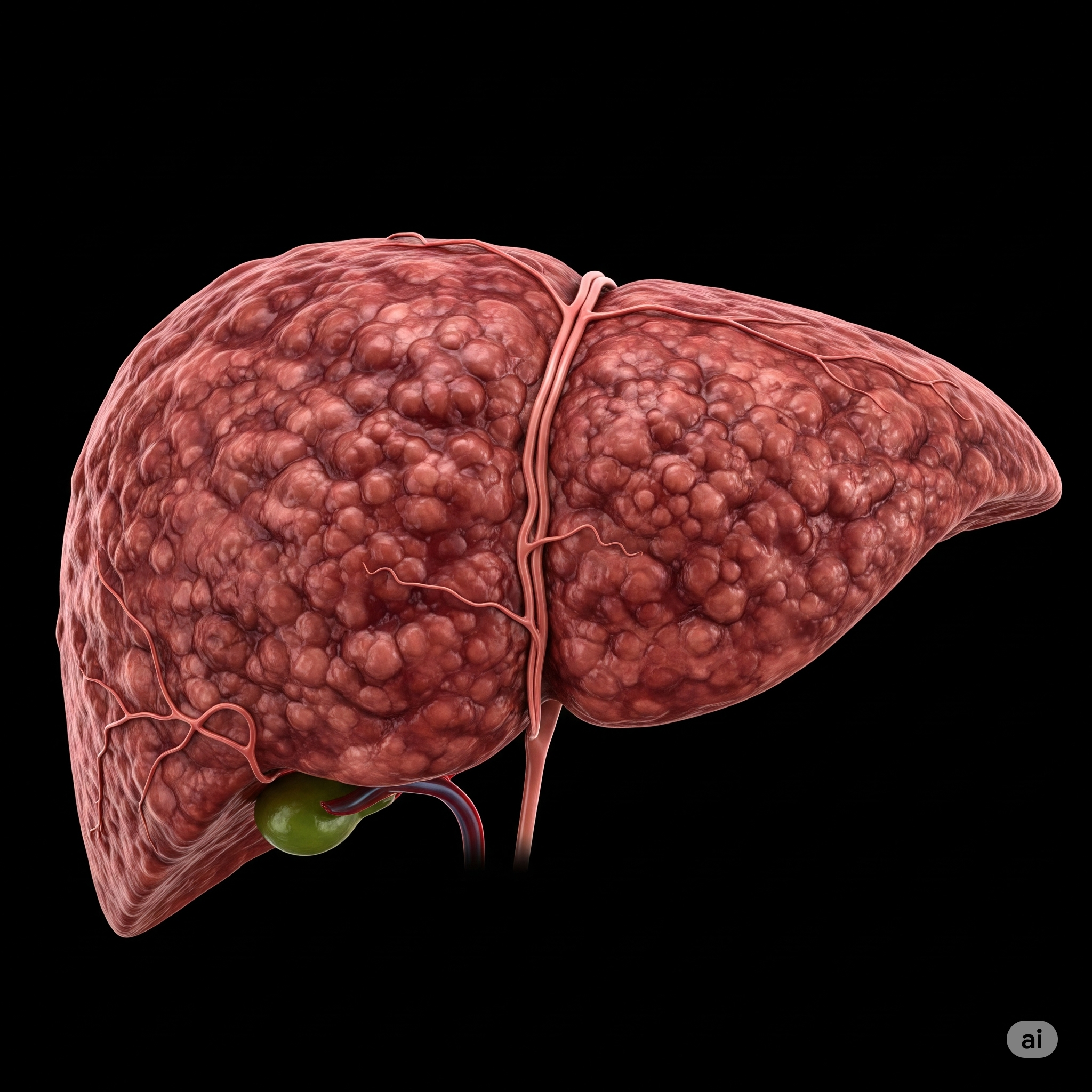
3. Cirrhosis
Description: Severe scarring of the liver due to long-term damage.
Cause:
1: Chronic alcohol abuse
2: Untreated hepatitis B or C
3: Fatty liver disease
4: Autoimmune liver diseases
Signs: Weakness, fatigue, Jaundice, swelling in legs/abdomen (ascites), Easy bruising/bleeding.
Treatment & Product:
Stop alcohol intake completely, Manage underlying cause (e.g., hepatitis), Medications for complications, Liver transplant in advanced cases

Aids in detoxification and recovery (consult doctor).
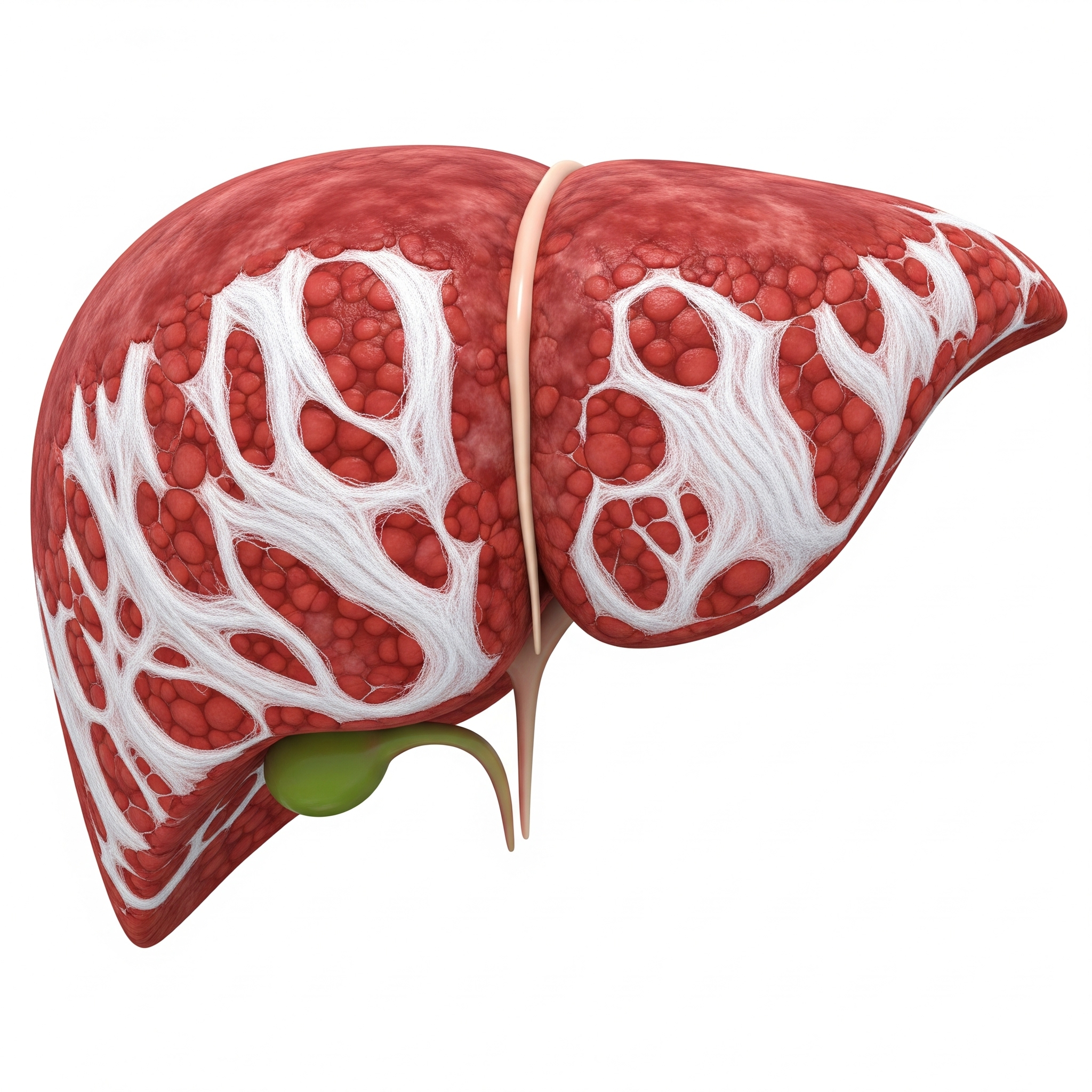
4. Liver Fibrosis
Description: Formation of scar tissue due to chronic inflammation, a precursor to cirrhosis.
Cause:
1: Chronic hepatitis or fatty liver
2: Alcohol use
3: Metabolic disorders
Signs: Often silent in early stages, May have mild fatigue or discomfort.
Treatment & Product:
Early intervention with healthy lifestyle changes, Antioxidants and liver-support supplements, Monitoring and regular liver function tests

Supports overall liver health and reduces inflammation.
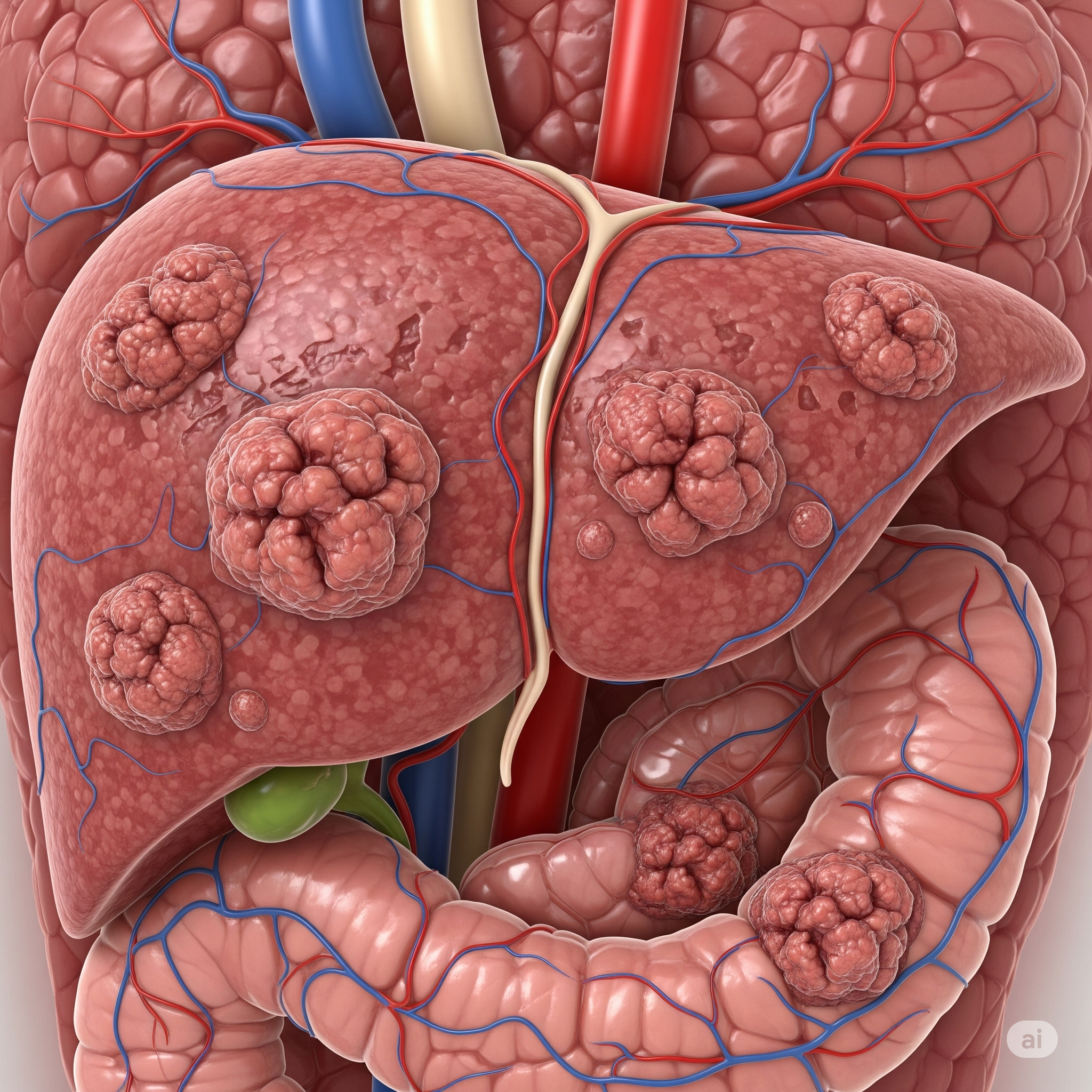
5. Liver Cancer (Hepatocellular Carcinoma)
Description: A malignant tumor in the liver, often developing from cirrhosis or hepatitis.
Cause:
1: Chronic hepatitis B or C infection
2: Long-term alcohol abuse
3: Exposure to aflatoxins (toxin from molds)
Signs: Unexplained weight loss, Abdominal pain or lump, Jaundice, weakness.
Treatment & Product:
Surgical removal (if early stage), Chemotherapy, targeted drugs, Liver transplant, Prevent with hepatitis vaccines and liver screenings

Essential for prevention and recovery from liver conditions.
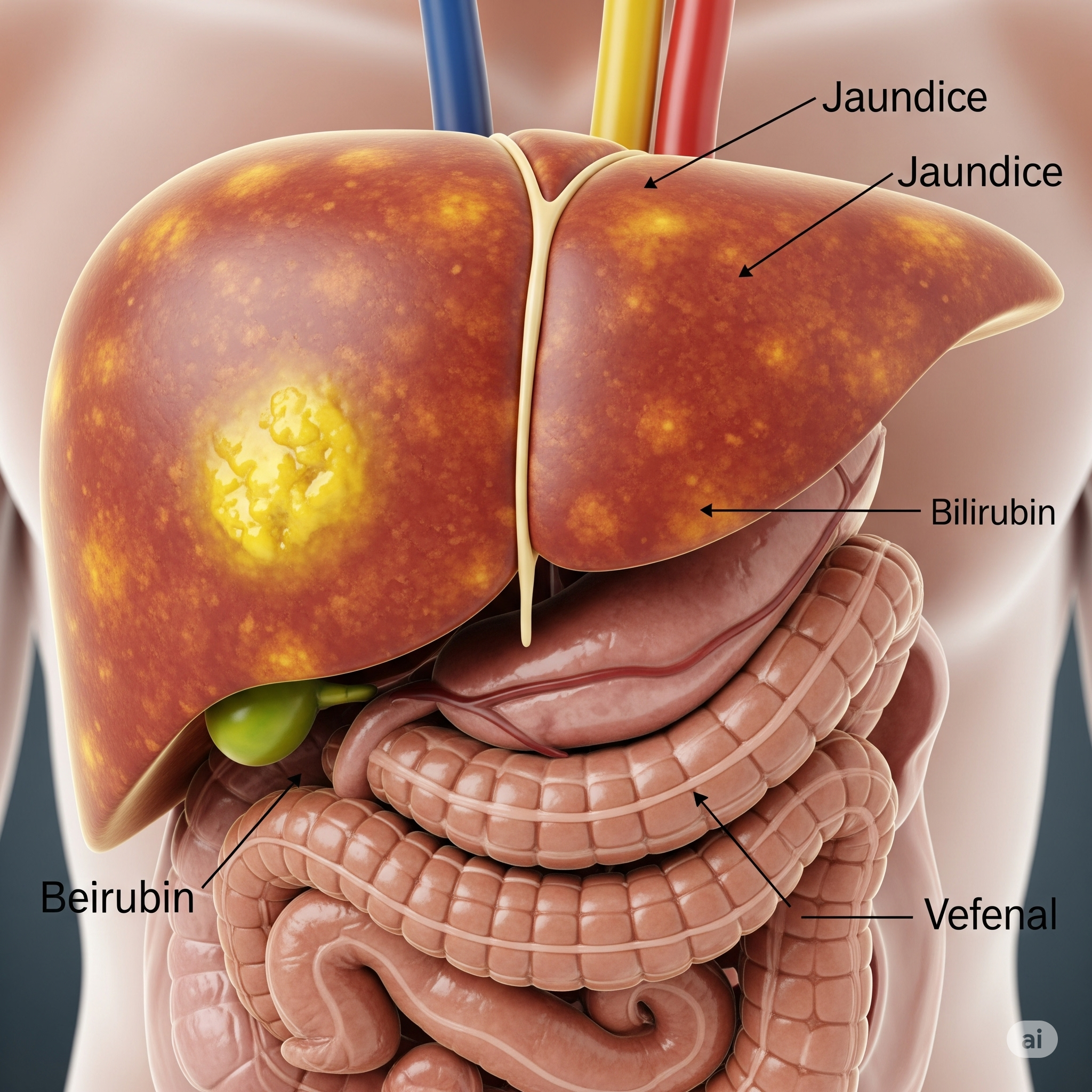
6. Jaundice
Description: A symptom (not a disease) marked by yellowing of the skin and eyes due to high bilirubin levels.
Cause:
1: Liver disease (hepatitis, cirrhosis)
2: Bile duct blockage
3: Hemolysis (excessive breakdown of red red blood cells)
Signs: Yellow skin and eyes, Dark urine, pale stool, Itching, fatigue.
Treatment & Product:
Treat the underlying liver condition, Avoid alcohol and fatty food, Maintain hydration and proper nutrition

Helps maintain consistent fluid intake for liver health.
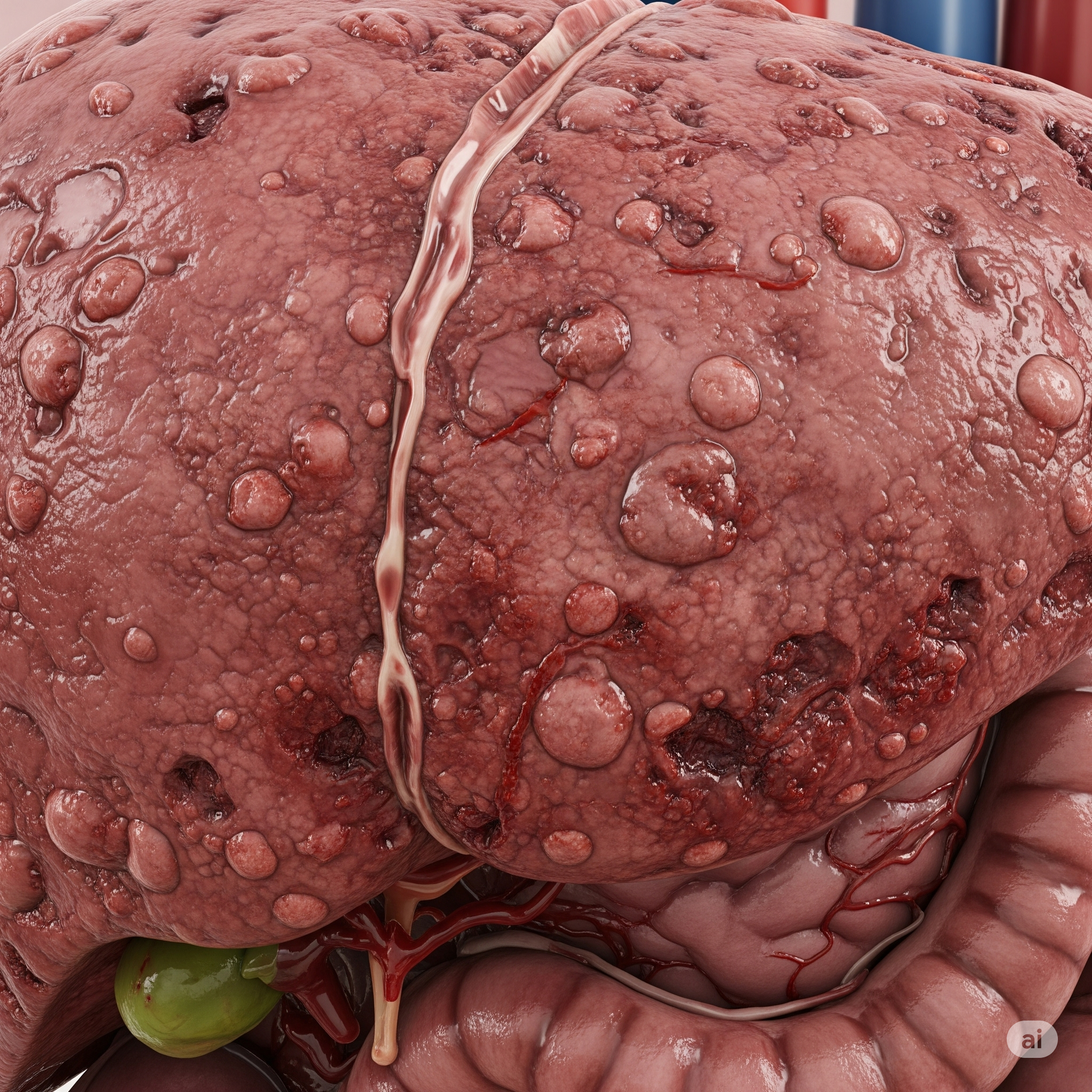
7. Liver Failure
Description: When the liver loses its ability to function properly, either suddenly (acute) or gradually (chronic).
Cause:
1: Acetaminophen overdose (acute)
2: Hepatitis or cirrhosis (chronic)
3: Autoimmune liver diseases
Signs: Confusion, drowsiness (hepatic encephalopathy), Bleeding easily, jaundice, Swelling in abdomen.
Treatment & Product:
Emergency medical care in acute cases, Treat underlying cause and manage complications, Liver transplant may be required

Important for quick action in severe cases.
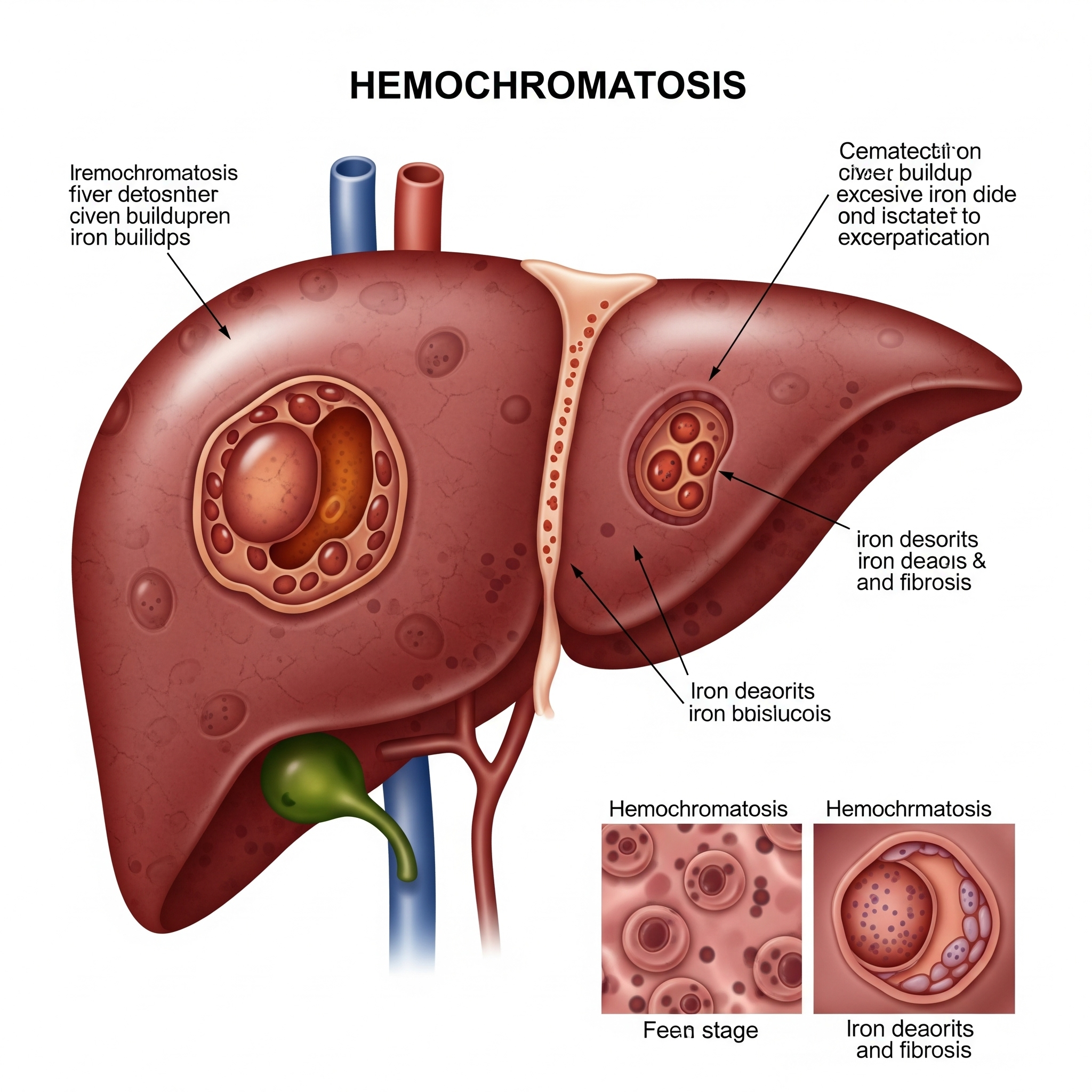
8. Hemochromatosis
Description: A genetic disorder that causes excessive iron buildup in the liver and other organs.
Cause:
1: Inherited gene mutation affecting iron metabolism
Signs: Joint pain, fatigue, Liver enlargement or damage, Skin darkening ("bronze diabetes").
Treatment & Product:
Regular blood removal (phlebotomy), Avoid iron-rich supplements or foods, Monitor iron levels regularly

Important for managing iron levels in hemochromatosis.
Lifestyle Tips for Better Liver Health
✅ Diet
- Eat leafy greens, beets, carrots, and citrus fruits.
- Avoid fried, processed, sugary foods and soft drinks.
- Drink lemon water and green tea.
🏃 Exercise
- 30–45 mins of walking, cycling, or swimming daily.
- Include some strength training 2–3 times/week.
🧘 Yoga Poses
- Bhujangasana (Cobra), Ardha Matsyendrasana (Twist)
- Dhanurasana (Bow), Kapalabhati (Breathing)
💊 Recommended Liver Support Products


Yoga Burn – Trim Core Challenge
Women’s yoga program for weight loss and liver support.
🔗 Learn More


