🧪 Check Your Kidney Health
📋 Common Risk Factors
- High blood pressure and diabetes
- Frequent use of painkillers
- Dehydration or low water intake
- Urinary tract infections (UTIs)
- Family history of kidney disease
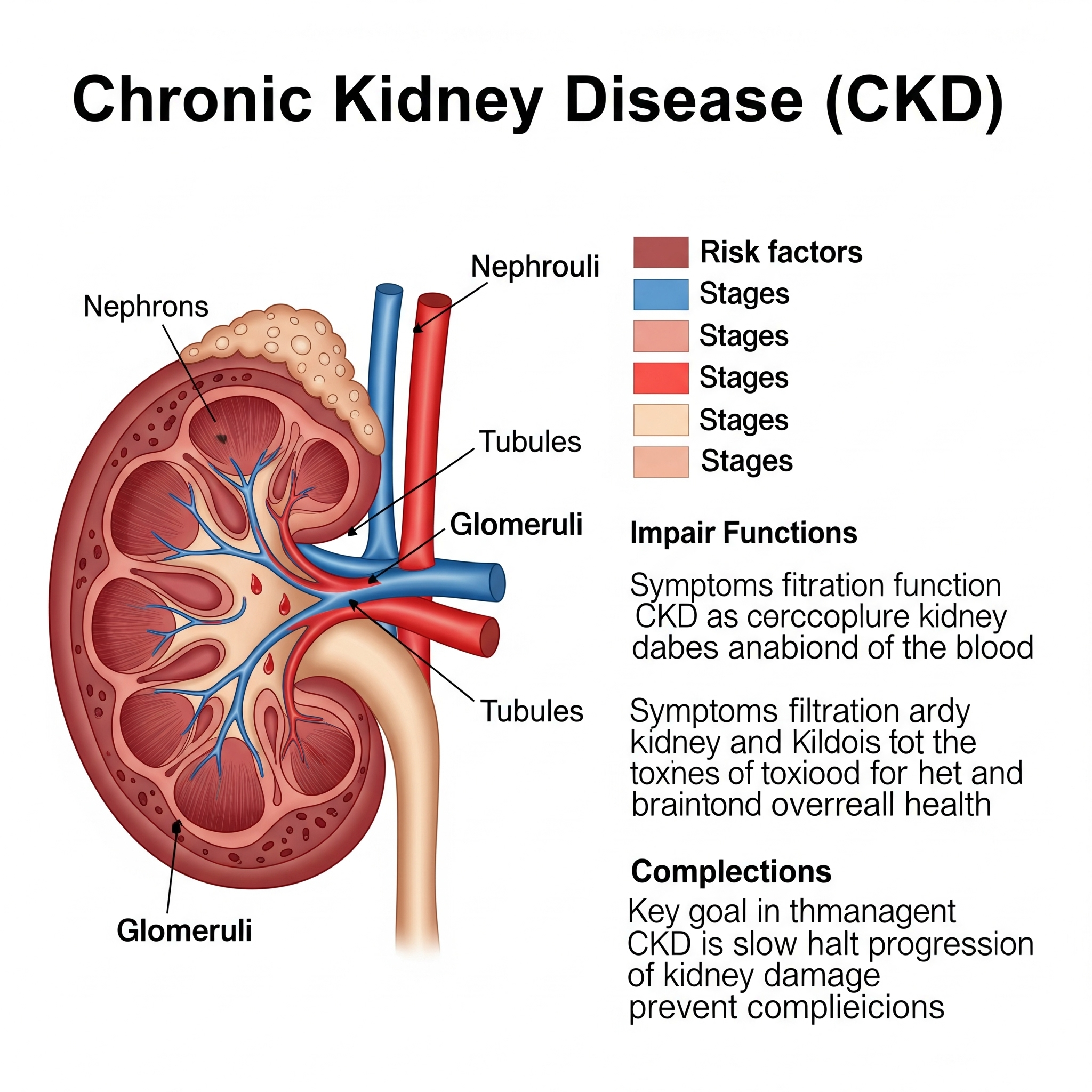
1. Chronic Kidney Disease (CKD)
Description: A gradual loss of kidney function over time that can lead to kidney failure if untreated.
Cause:
1: Diabetes (leading cause)
2: High blood pressure (hypertension)
3: Glomerulonephritis (inflammation of kidney filters)
4: Prolonged use of NSAIDs or other medications
Signs: Fatigue and weakness, Swelling in ankles or face, High blood pressure, frequent urination (especially at night), Nausea, loss of appetite.
Treatment & Product:
Control blood pressure and blood sugar, Low-sodium and low-protein diet, Avoid nephrotoxic drugs, Dialysis or kidney transplant in advanced stages

Essential for managing hypertension, a key CKD cause.
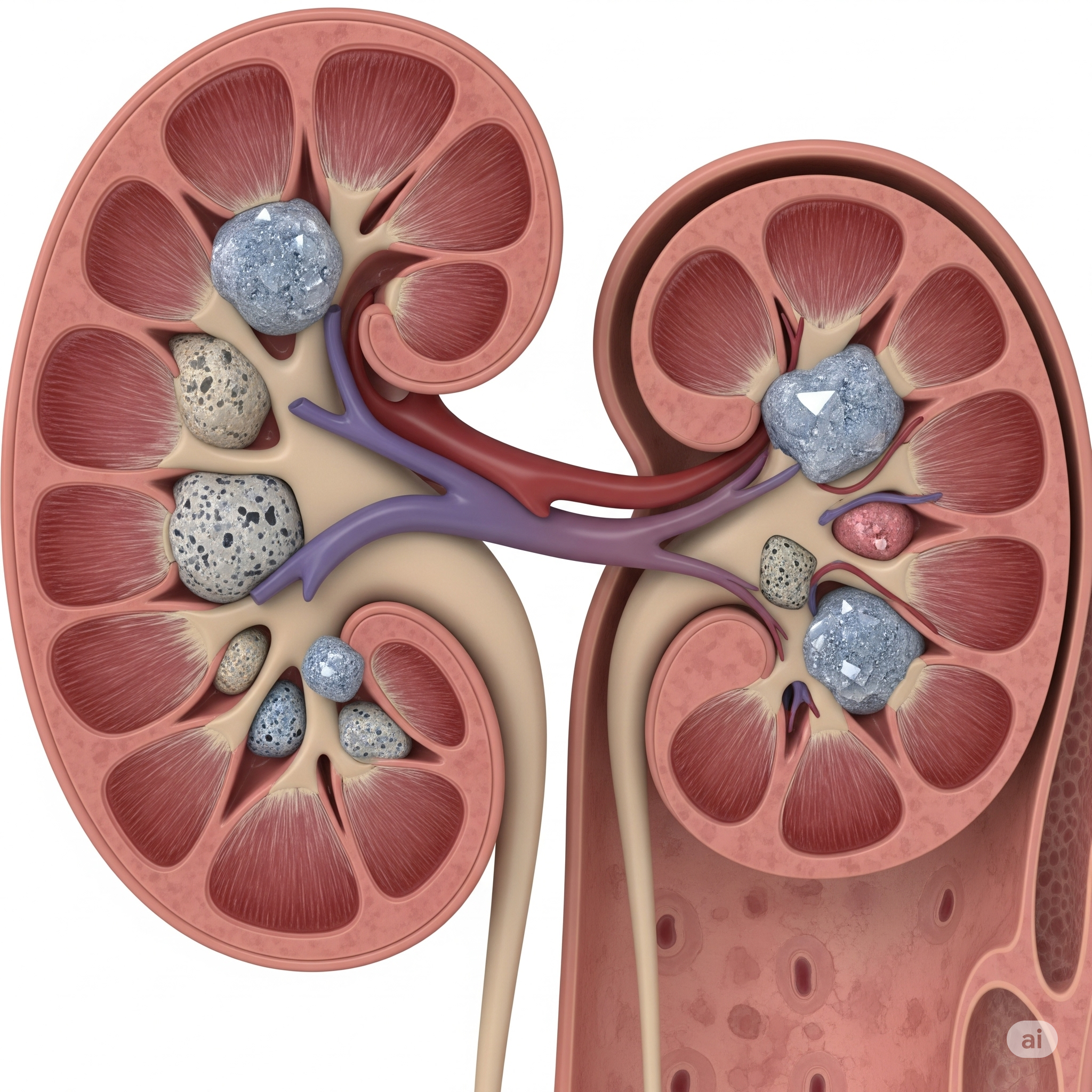
2. Kidney Stones
Description: Hard mineral and salt deposits that form inside the kidneys and cause severe pain when passing.
Cause:
1: Dehydration
2: Excess salt, sugar, or oxalate in the diet
3: High intake of animal protein
4: Certain medical conditions (gout, UTIs)
Signs: Sudden, sharp pain in the lower back or side, Blood in urine, painful urination, Nausea or vomiting.
Treatment & Product:
Drink plenty of fluids (2.5–3 liters/day), Pain relief medication, Medical procedures like lithotripsy or surgical removal if large, Dietary changes to prevent recurrence

Helps ensure adequate hydration to prevent stone formation.
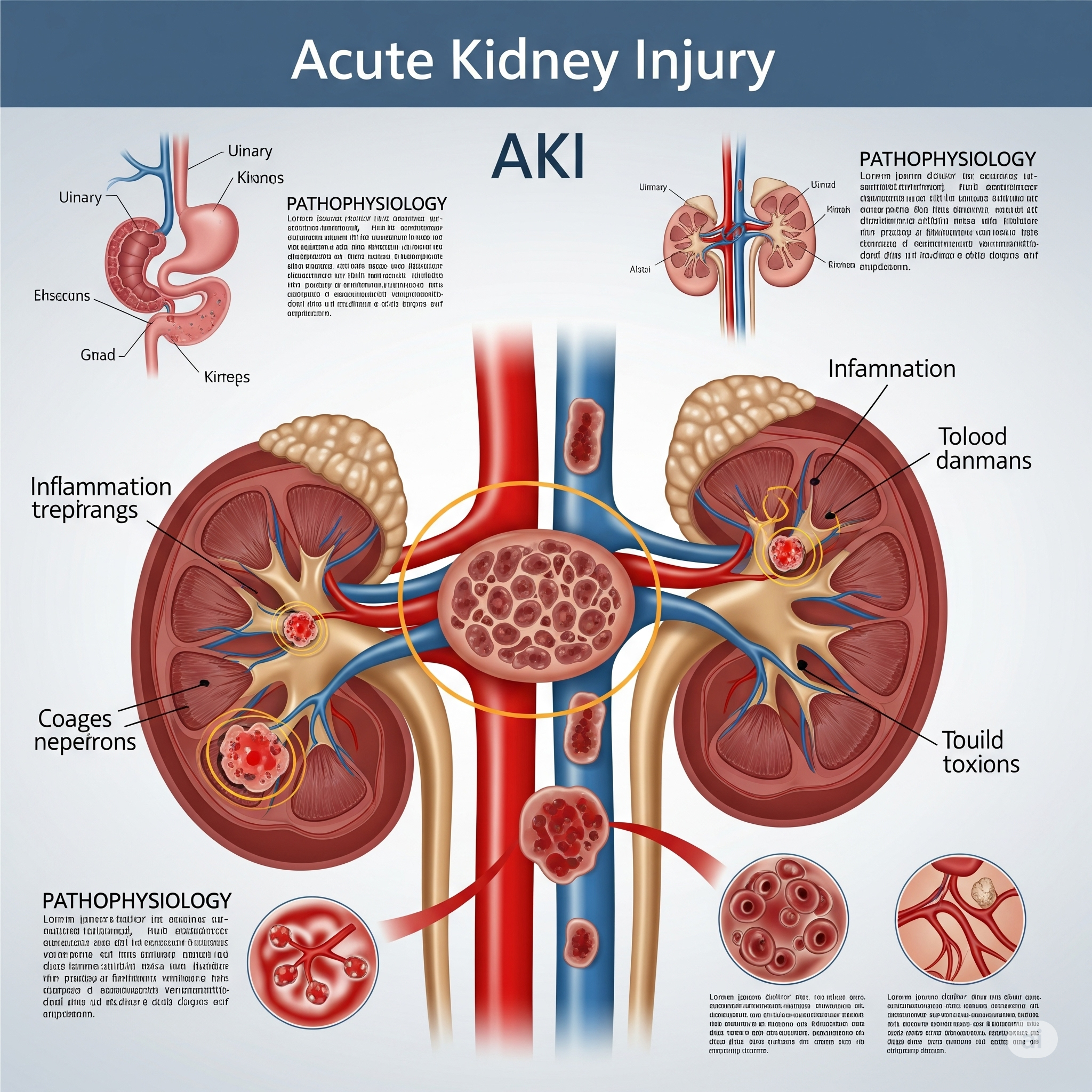
3. Acute Kidney Injury (AKI)
Description: A sudden decline in kidney function, usually reversible with prompt treatment.
Cause:
1: Severe dehydration
2: Sepsis or severe infections
3: Drug toxicity (NSAIDs, contrast dyes)
4: Blood loss or trauma
Signs: Rapid decrease in urine output, Swelling, fatigue, shortness of breath, Confusion or seizures in severe cases.
Treatment & Product:
Address the underlying cause (infection, dehydration), Stop nephrotoxic medications, Temporary dialysis if necessary

Helps combat severe dehydration, a common AKI cause.
4. Urinary Tract Infections (UTIs) affecting Kidneys (Pyelonephritis)
Description: A bacterial infection that travels from the bladder to the kidneys.
Cause:
1: E. coli infection
2: Poor hygiene
3: Holding urine for too long
4: Sexual activity in women
Signs: High fever and chills, Back or flank pain, Painful, frequent urination, Cloudy or bloody urine.
 affecting Kidneys.png)
Treatment & Product:
Antibiotic therapy, Drink plenty of fluids, Complete hygiene and urinary care, Follow-up urine tests to confirm recovery

May help prevent UTIs, but consult a doctor for treatment.
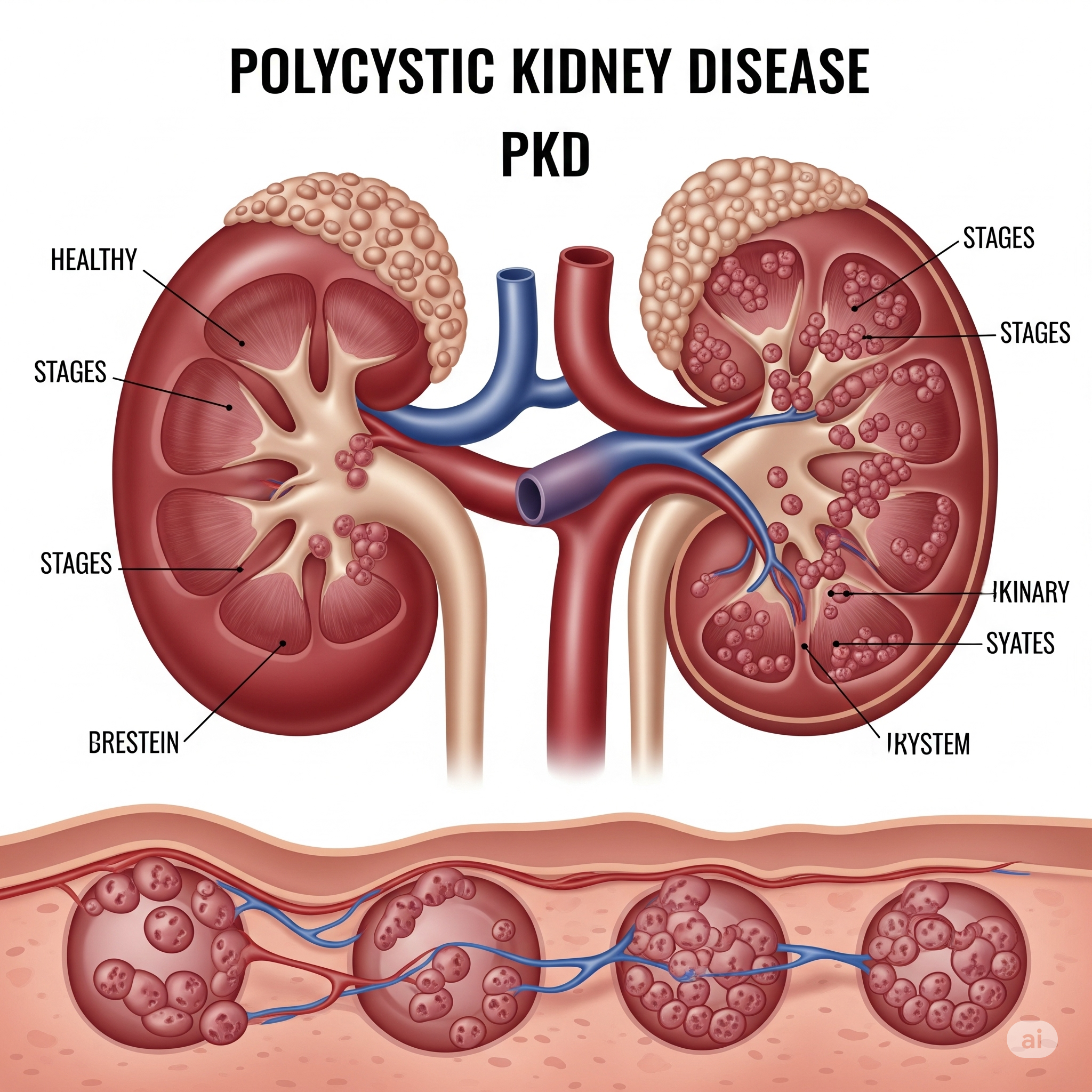
5. Polycystic Kidney Disease (PKD)
Description: A genetic disorder where clusters of fluid-filled cysts grow in the kidneys.
Cause:
1: Inherited from one or both parents (autosomal dominant or recessive PKD)
Signs: High blood pressure, Pain or heaviness in the back or abdomen, Kidney stones or urinary tract infections, Enlarged kidneys.
Treatment & Product:
No cure; treatment focuses on managing symptoms, Blood pressure control, Pain management, antibiotics for infections, Dialysis or transplant in severe cases

For localized pain management in PKD (consult doctor).
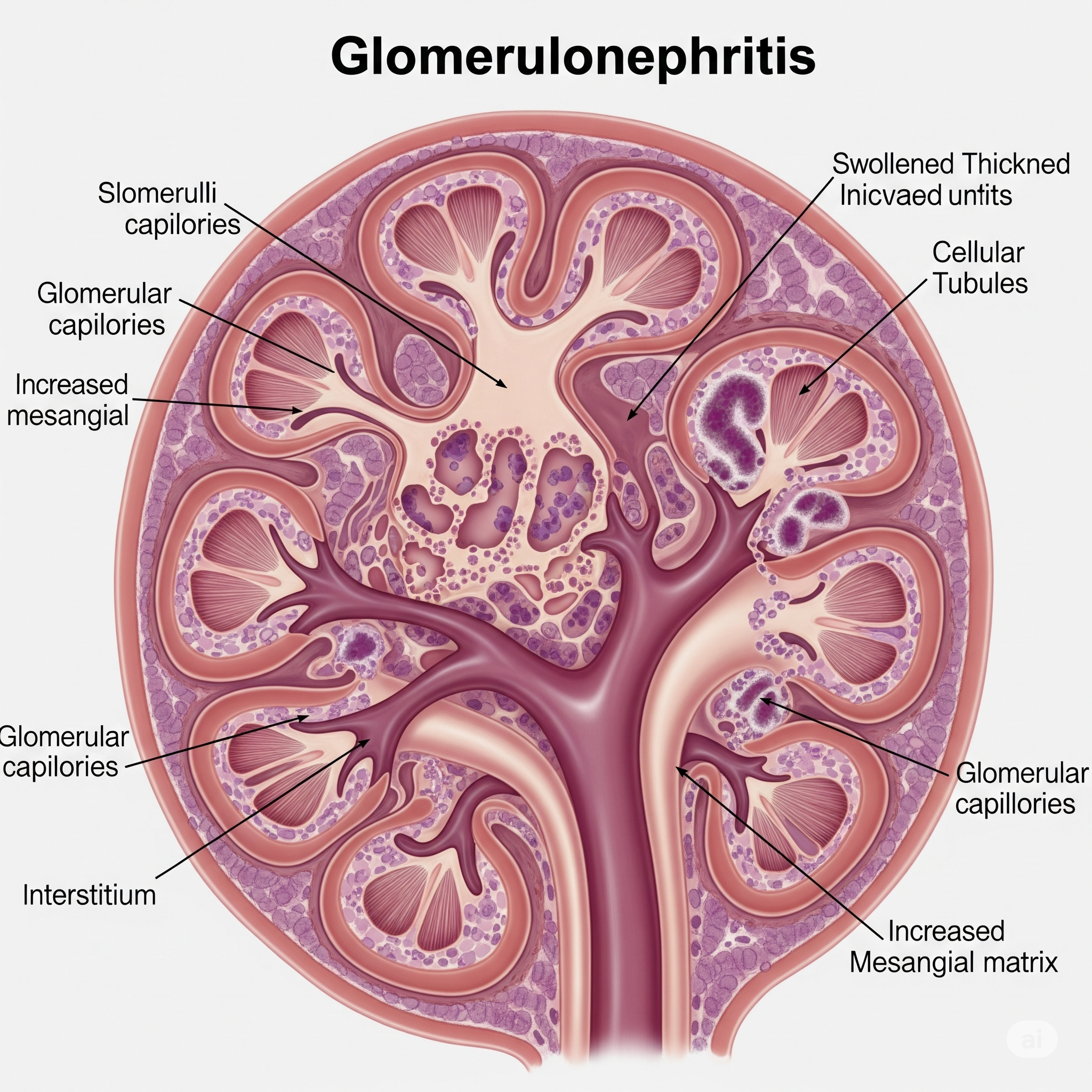
6. Glomerulonephritis
Description: Inflammation of the glomeruli, the tiny filtering units inside the kidneys.
Cause:
1: Autoimmune diseases (e.g., lupus)
2: Infections (strep throat)
3: Vasculitis or certain medications
Signs: Blood or protein in urine (foamy), Swelling in face, hands, feet, High blood pressure.
Treatment & Product:
Corticosteroids or immunosuppressive drugs, Treat underlying infections, Blood pressure medications, Diet changes (low salt and protein)

Aids in dietary management for kidney health.
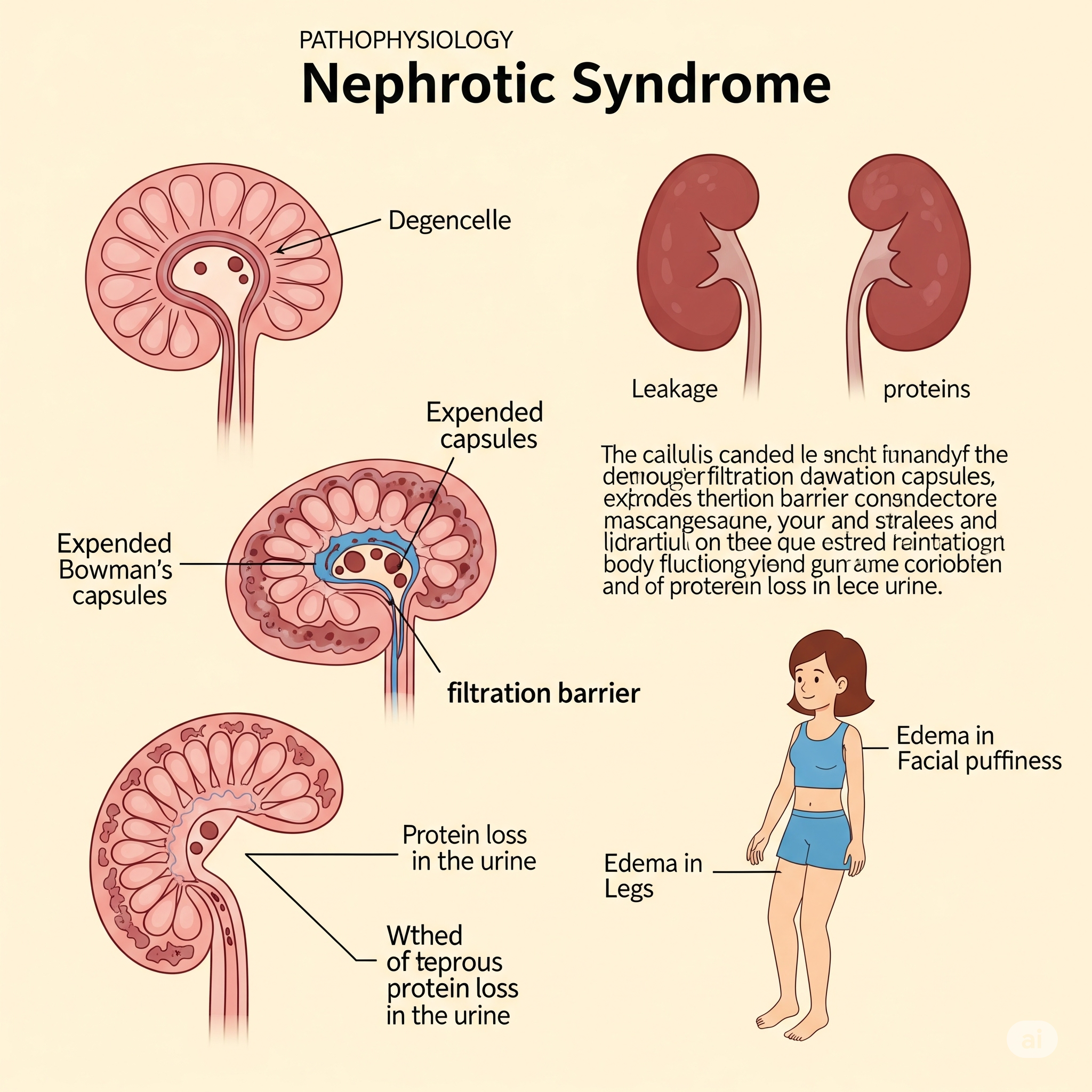
7. Nephrotic Syndrome
Description: A kidney disorder causing the body to excrete too much protein in the urine.
Cause:
1: Damage to glomeruli (often from glomerulonephritis)
2: Diabetes
3: Lupus or other autoimmune diseases
Signs: Severe swelling (especially in legs and around eyes), Foamy urine (due to high protein), Weight gain due to fluid retention.
Treatment & Product:
Diuretics to remove excess fluid, Corticosteroids or immune therapy, Low-salt and low-protein diet, Control blood pressure and cholesterol

Helps manage salt intake for fluid balance.
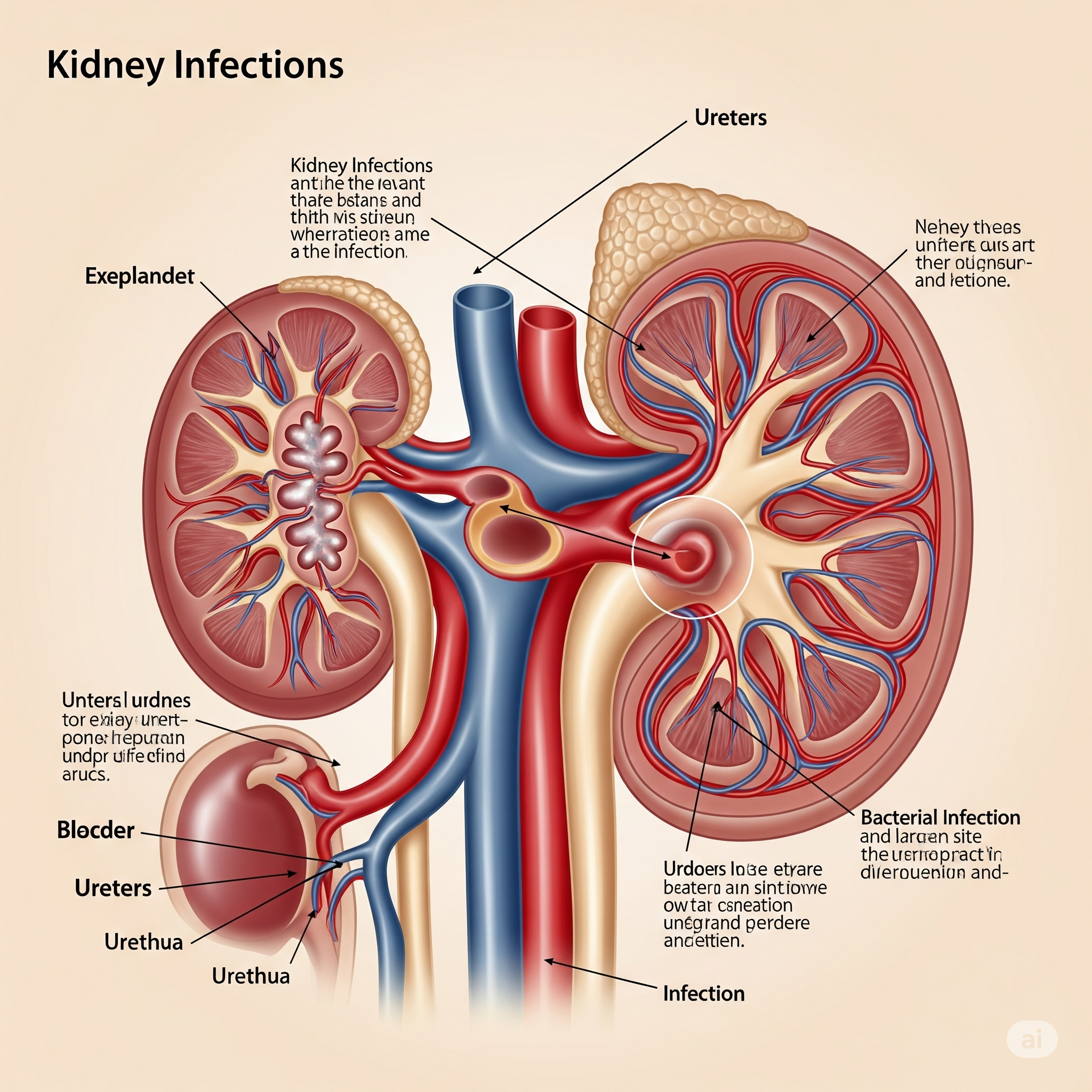
8. Kidney Infections
Description: Bacterial infection affecting the kidneys, often from an untreated UTI.
Cause:
1: E. coli or other bacterial invasion
2: Blockages in urinary tract
3: Reflux of urine from bladder to kidneys
Signs: Fever and chills, Back or side pain, Frequent, painful urination, Nausea or cloudy urine.
Treatment & Product:
Immediate antibiotics, Painkillers and hydration, Hospitalization in severe cases

Supports overall urinary tract well-being (consult doctor).
🧴 Daily Kidney Care
- Drink 2–3 liters of clean water daily
- Limit salt intake
- Check BP and sugar regularly
- Don’t hold urine for long
- Use painkillers only when necessary
🥗 Kidney-Friendly Diet
- Low-sodium foods (avoid pickles, papads)
- Reduce protein if advised by doctor
- Include fruits like apples, berries
- Limit potassium-rich food if needed
🌿 Lifestyle Tips
- Stay hydrated and active
- Avoid smoking and alcohol
- Go for regular urine/blood tests
- Maintain healthy body weight


